

Bo-Kaap in Cape Town: A Practical Guide for Visitors
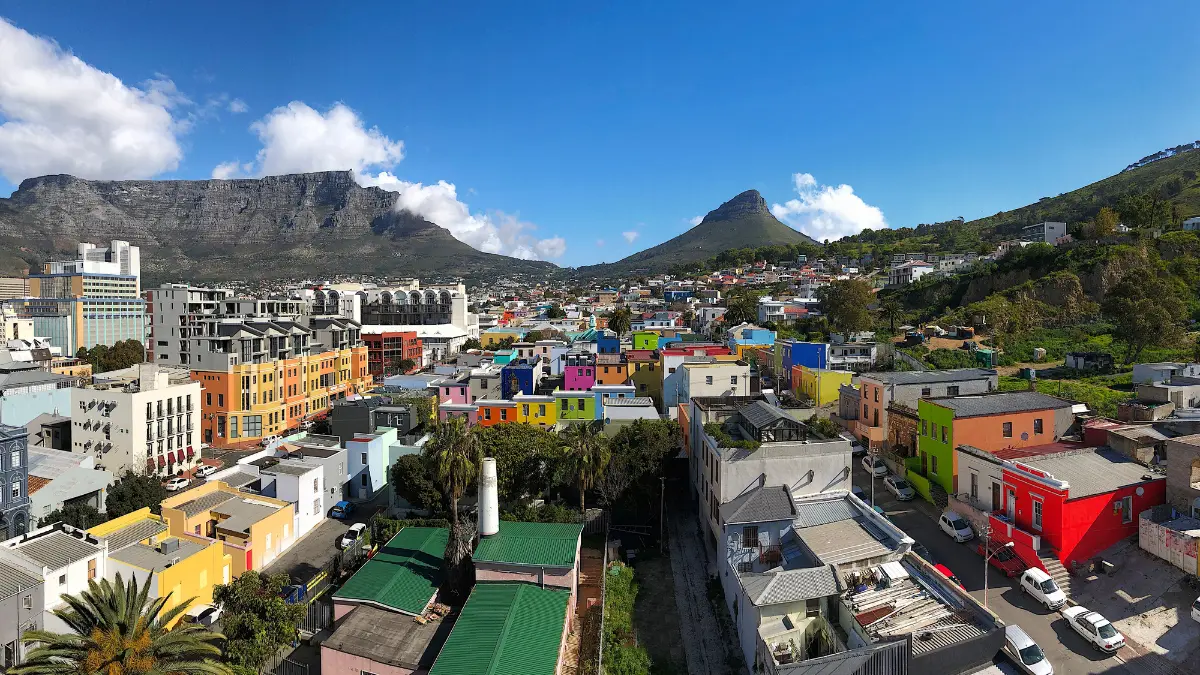
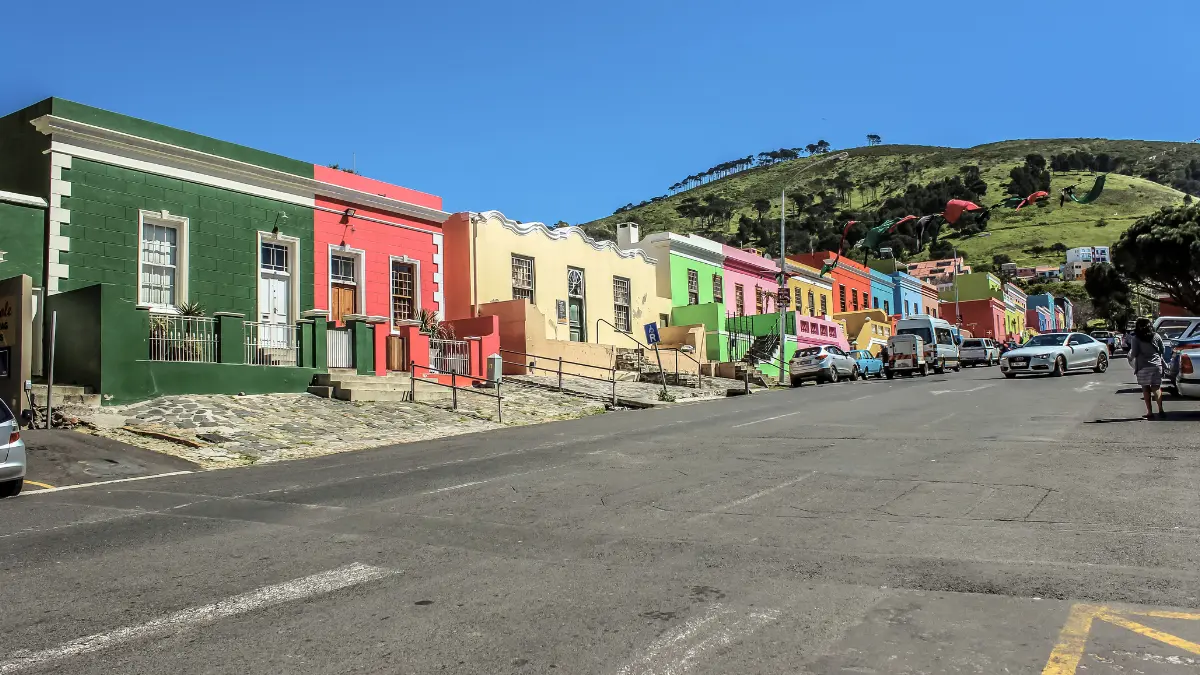
Rising along the lower slopes of Signal Hill, on the edge of Cape Town’s city centre, its brightly painted houses and rows of single-storey homes along steep, cobbled streets make it one of the city’s most unique areas.
Bo-Kaap in Cape Town was once known as the city’s Cape Malay quarter. Its history goes back to the 1760s, shaped by slavery, Islam, and the arrival of people from Southeast Asia, South Asia, and Africa. Today, mosques, family homes, and traditions still play a big role in daily life.
Bo-Kaap has recently become one of Cape Town’s most photographed places. Even with all the attention, it remains a lived-in neighborhood with a strong culture and a rich history to discover.
Where Is Bo-Kaap in Cape Town and How to Get There
Bo-Kaap is just above Cape Town’s CBD, between the city centre and Signal Hill. Its central location makes it easy to visit and combine with other nearby areas.
On foot: If you walk from the CBD, it’s about a five-minute uphill stroll. If you’re near Buitengracht, Strand, or Long Street, you’re already close. Wale Street is the main pedestrian entrance.
Walking from the V&A Waterfront takes about 20 to 30 minutes, depending on your pace and the route you choose.
By Uber or taxi: The ride from the CBD takes approximately 3 to 5 minutes. From the V&A Waterfront, allow around 10 minutes, depending on traffic.
Ask to be dropped off at Wale Street or near the Bo-Kaap Museum. These are easy reference points.
By car: Parking is limited, and streets are narrow. Do not assume you will find convenient parking inside the neighbourhood. It is often easier to park nearby and walk in.
Wale Street is the main road for driving into Bo-Kaap.
A Brief History of Bo-Kaap
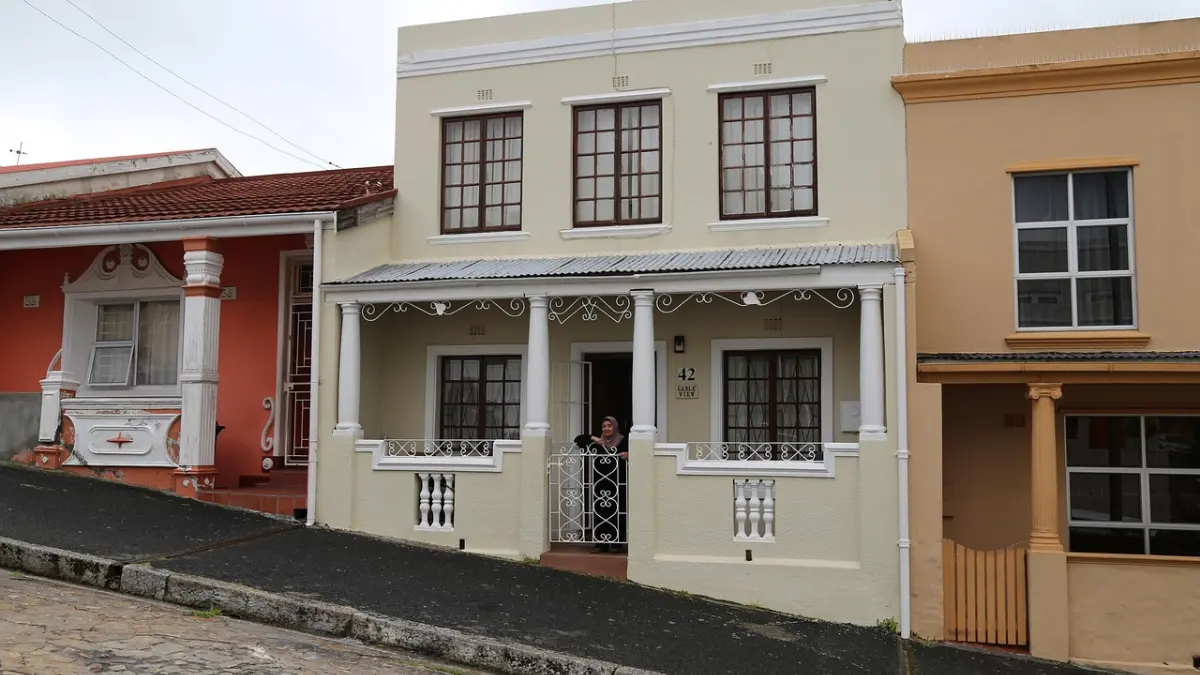
Bo-Kaap was developed in the 1760s by Dutch colonist Jan de Waal. Rows of small rental houses, known as “huurhuisjes”, were leased to enslaved people brought to the Cape from Malaysia, Indonesia, India, Sri Lanka, and parts of Africa.
Many were Muslim. Over time, their descendants formed what became known as the Cape Malay community. The term is historically imprecise, but it remains widely used to describe a distinct cultural group shaped by faith, language, food, and shared experience.
Religion, Survival, and Continuity
In 1794, the first mosque in South Africa was established in Bo-Kaap. Islam became central to the area’s identity, shaping daily rhythms and community life.
During apartheid, Bo-Kaap was designated a “Malay-only” area under the Group Areas Act. While nearby suburbs, such as District Six, were destroyed, Bo-Kaap survived. Families stayed, homes were passed down, and the neighbourhood endured.
Today, it is recognised as the oldest surviving residential neighbourhood in Cape Town and one of the most intact collections of pre-1850 architecture in the country.
Why are the Bo-Kaap Houses Colourful?
For much of Bo-Kaap’s early history, colour was controlled. While the houses were rented, walls were required to remain white. After slavery was abolished in 1834 and residents were able to buy their homes, many chose to paint them, using colour as a clear expression of ownership.
During the apartheid years, that freedom was curtailed again. Residents were pressured to tone down their colours, reinforcing control over private homes and public appearance.
After the release of Nelson Mandela, that control ended. When Mandela visited Bo-Kaap following his release from prison, residents asked whether they could paint their houses freely. His response was simple. If you want to paint, paint. It is a new South Africa.
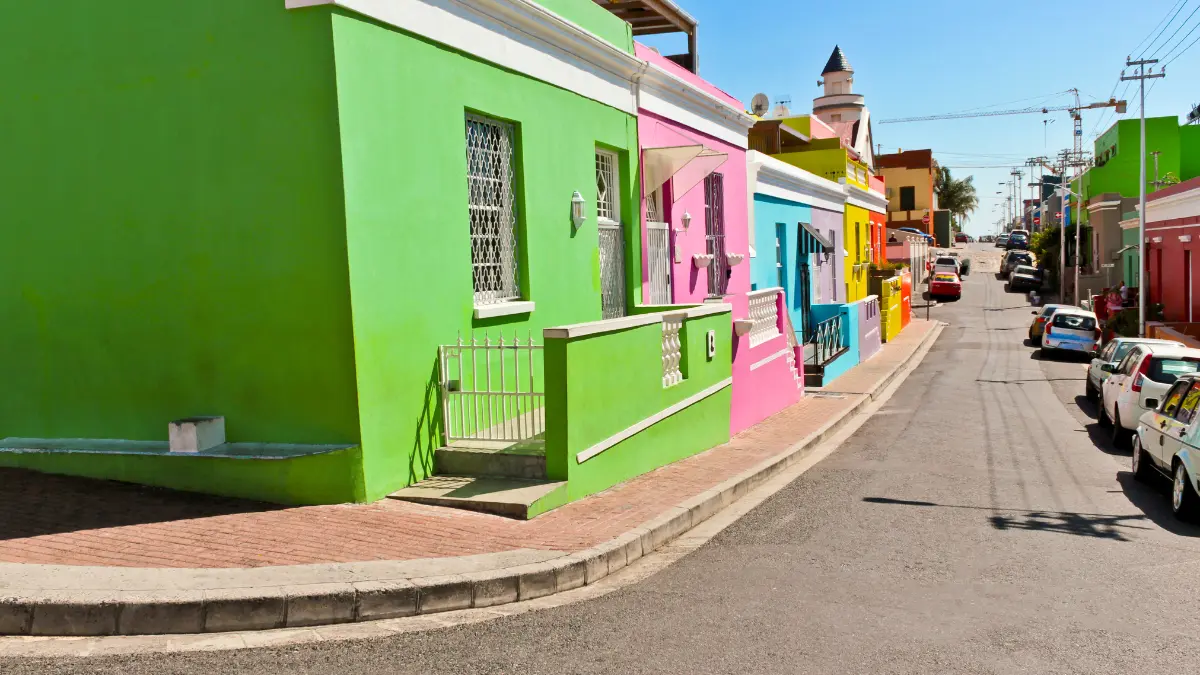
The bold colours that define Bo-Kaap today followed soon after. The bright paint was a form of protest against the apartheid regime’s restrictions.
Architecturally, the houses reflect Cape Dutch and Georgian influences. Many remain in the same families today, with colour choices passed down through generations.
Gentrification and Visitor Impact
Today, Bo-Kaap faces a serious threat from gentrification. As the area’s popularity has grown, so has developer interest. New hotels, short-term rentals, bars, cafés, and boutiques have begun to replace long-standing family-run businesses.
These changes disrupt neighbourhood life—shops that once served local residents are being pushed out by businesses designed for outsiders, which trade on Bo-Kaap’s image rather than meaningfully supporting its community needs. This shift impacts residents who have relied on local businesses for generations, altering daily routines and eroding networks of support.
Some residents have chosen to sell and move elsewhere. Others have not had that choice. Rising property prices, rates, and living costs have forced families out of a place their ancestors have called home for centuries. When this happens, what is lost is not just housing, but shared history, daily traditions, and a living culture.
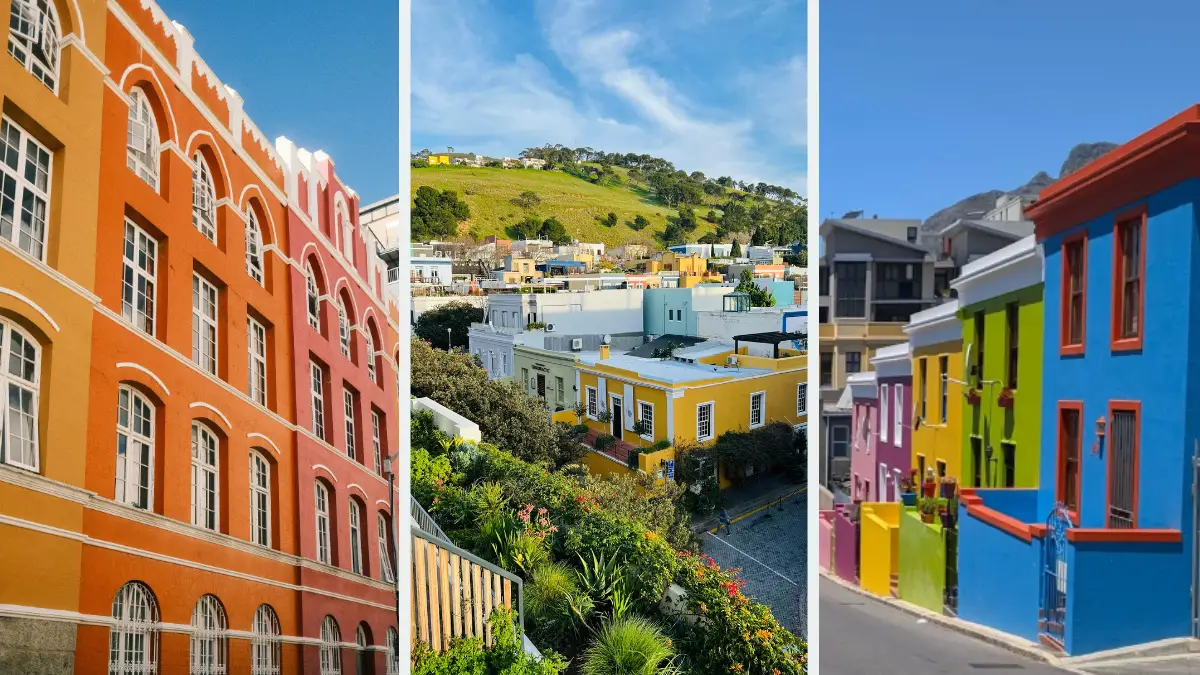
Gentrification is often framed as progress. But when it displaces people and erodes cultural identity, the cost is real and lasting.
Visitor behaviour plays a role in this. Bo-Kaap is not a theme park or a photo set. It is a residential neighbourhood. Some visitors treat it as an attraction rather than a community, climbing on steps, entering private spaces, taking photos of residents without consent, playing loud music, drinking in public, or treating the streets like a backdrop for social media.
If you visit Bo-Kaap, we strongly encourage you to support locally owned businesses run by Cape Malay families. This helps keep tourism income within the community.
Walk its streets respectfully, learn its history, and consider joining a guided walking tour led by a lifelong resident. This supports local livelihoods while giving you a deeper, more accurate understanding of the area.
What to See and Do in Bo-Kaap
Bo-Kaap is small, but layered. It is not a place to rush through. Most visitors come for the colourful houses, but the real value lies in understanding what you are looking at and why it matters.
If you are staying with The Oyster Collection, our concierge team can help you plan a visit that is respectful, well-timed, and genuinely informative. That might mean recommending a local walking guide, pointing out key streets and landmarks, or helping you avoid the busiest times of day.
Below are the main points of interest, with context on what they represent and how to experience them thoughtfully.
Bo-Kaap Museum
The Bo-Kaap Museum is housed in one of the earliest homes built in Bo-Kaap, dating back to the mid-18th century. The building stands in an area that became home to many Muslims and freed slaves after the abolition of slavery, which makes it a fitting place to start a visit.
The museum focuses on social history. Rather than covering dates alone, it looks at how families lived, worshipped, cooked, and organised daily life within the wider political and cultural changes of the time. The house was originally furnished to reflect a 19th-century Cape Muslim family, offering a clear sense of domestic life rather than a formal exhibition space.
The building was declared a National Monument in the mid-1960s and restored in the 1970s before opening as a museum in 1978. Today, it provides useful context for the streets outside. A short visit here makes it easier to understand the neighbourhood as a community shaped by people, not just by architecture.
Where to find it: 71 Wale Street, Bo-Kaap, Cape Town
Auwal Mosque
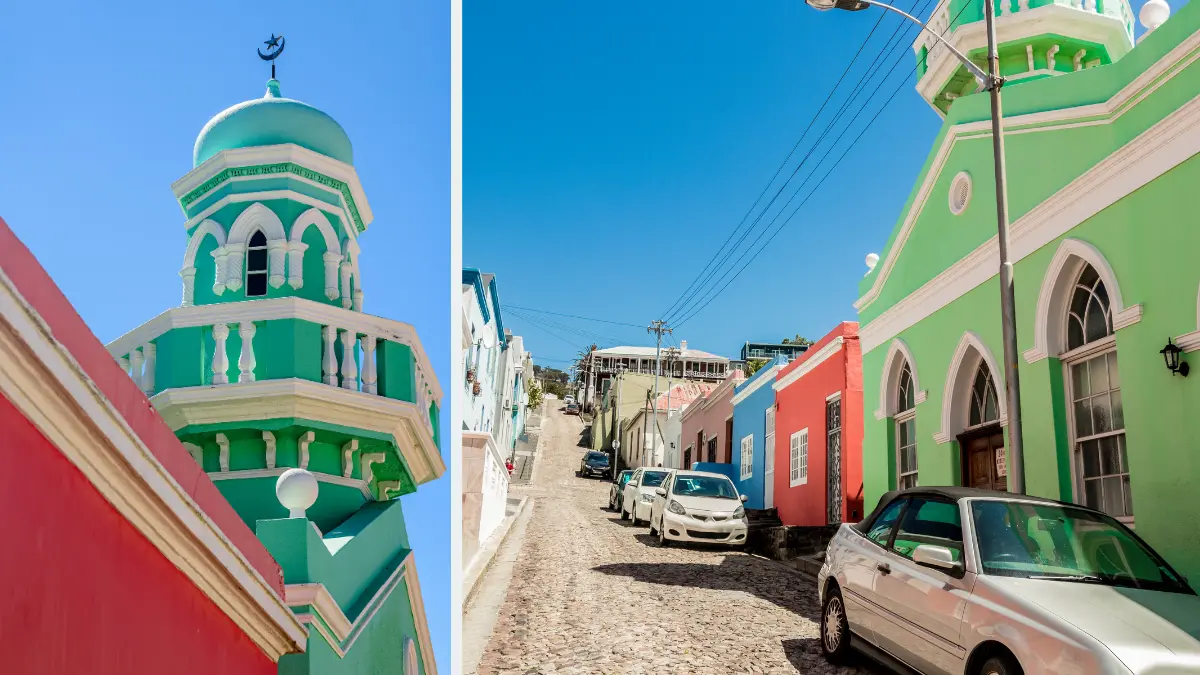
The Auwal Masjid is the first and oldest mosque in South Africa. It was established in 1794 and remains one of the most important religious sites in the country. Inside is a handwritten Quran, written from memory by Tuan Guru during his imprisonment.
Strong oral tradition records Imam Abdullah Kadi Abdus Salaam, known as Tuan Guru, as the mosque’s first imam. After his release from Robben Island in 1793, where he had been imprisoned for thirteen years, Tuan Guru began teaching Islam openly in Cape Town. When permission to build a mosque was refused by colonial authorities, congregational Friday prayers were held in an open quarry nearby.
Later that year, Coridon of Ceylon, a freed Muslim slave, purchased two properties on Dorp Street. Through his family, land was made available for the construction of the Auwal Masjid. From 1804 to 1850, it served as the main religious institution for Cape Muslims and was the first place where many Cape Muslim traditions were formally practised.
The mosque remains an active place of worship and a cornerstone of Bo-Kaap’s religious life. Visitors may enter outside prayer times, covering legs and shoulders. Women should bring a headscarf.
Where to find it: 39 Dorp St, Bo-Kaap
Tana Baru Cemetery
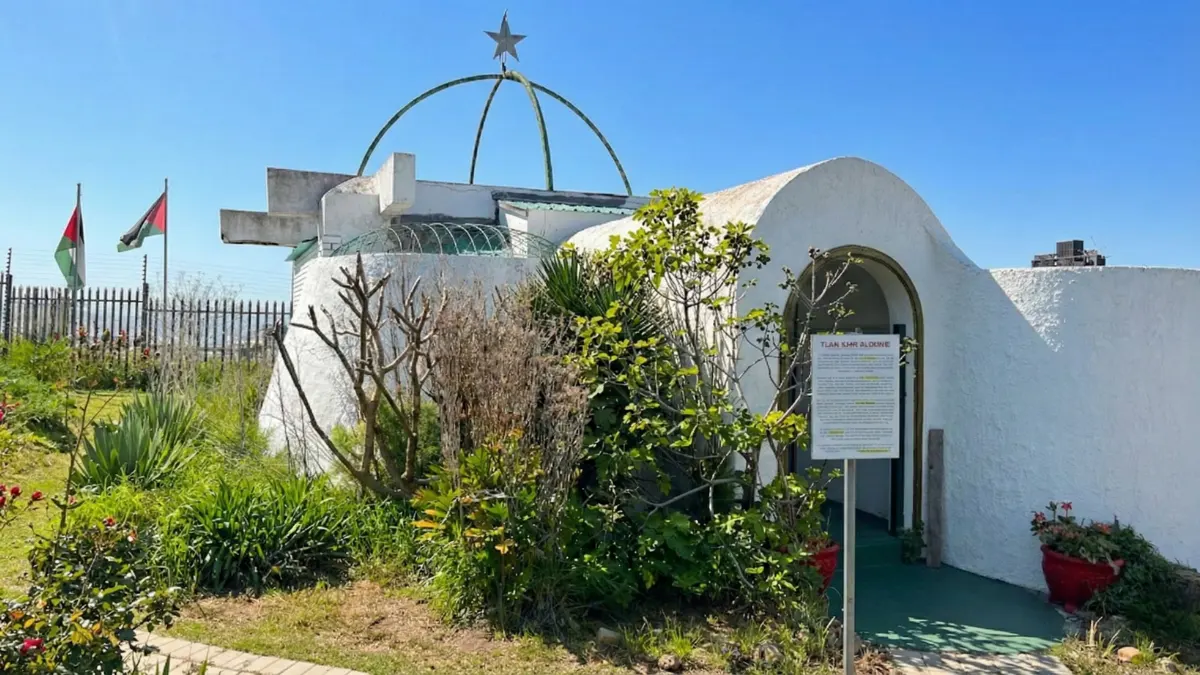
Tana Baru means “new ground.” The cemetery lies on the slopes above Bo-Kaap and was the first Muslim burial ground in South Africa.
Although it was officially closed more than 150 years ago, Tana Baru remains an important spiritual site. People still visit to reflect, meditate, and pay respect to pious saints. Several significant Cape Malay religious leaders are buried here, including members of Tuan Guru’s family.
Many of the graves are marked by dark slate headstones engraved in Arabic. Tuan Guru’s remains lie within a simple facebrick structure at the site.
This is a place of quiet significance rather than a conventional visitor stop. Visitors should dress conservatively, move respectfully, and keep noise to a minimum. Women must wear headscarves when visiting.
Where to find it: 39 Dorp St, Bo-Kaap
Atlas Trading Company
Atlas Trading Company is Cape Town’s oldest spice store, and it still operates as one, offering a view into everyday life rather than a curated retail experience.
Atlas has operated in Bo-Kaap since 1946. Long before you see it, you smell it. The shop specialises in ingredients used in Cape Malay cooking, alongside Indian and Southeast Asian spices.
Shelves are stacked with rice, dried chillies, whole spices, and more than 150 house blends, including several mixed on site and sold nowhere else. These are working ingredients used in family kitchens across the city.
Where to find it: 104 Wale St, Bo-Kaap
Walking and Audio Tours
Guided or audio tours add context that casual wandering often misses. In a neighbourhood as layered as Bo-Kaap, local-led tours are particularly useful for understanding how the area has changed and what has remained constant.
One option we consistently recommend is a 20-minute audio walking tour led by Shereen Habib. She has worked as a guide for more than 20 years, and her family has lived in Bo-Kaap for almost a century. The route begins at the Bo-Kaap Museum and follows a short loop through the historic core of the neighbourhood.
The value of this tour lies in perspective. Shereen shares personal stories alongside historical detail, explaining how streets, homes, and daily routines have shifted over time. It gives structure to your walk without turning it into a fixed itinerary.
The tour is available via VoiceMap and can be downloaded in advance. It works well if you want to explore at your own pace, pause along the way, or stop for a meal without feeling rushed.
Traditional Cape Malay Cooking in Bo-Kaap
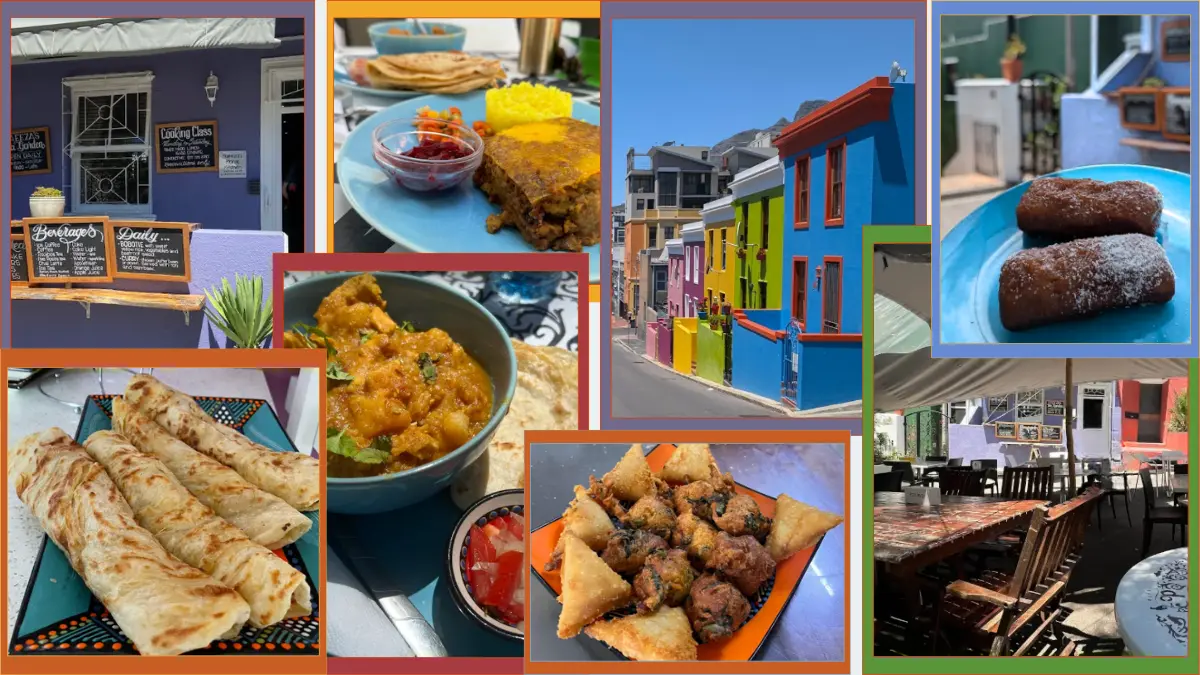
Cape Malay food is at the centre of Bo-Kaap’s identity. Traditional restaurants in the area are halaal and alcohol-free, shaped by family recipes passed down over generations. Eating here is one of the most direct ways to support the local community.
Faeeza’a Home Kitchen
For a hands-on introduction to Cape Malay cooking, Faeeza’s Home Kitchen offers small, interactive classes led by a Bo-Kaap local. Faeeza grew up in the neighbourhood, learning Cape Malay food by taste rather than written recipes, long before she began cooking professionally.
Classes are practical and informal. You roll rotis, fry chilli bites, cook curry, and wrap samoosas, while learning how these dishes are prepared in Cape Malay homes. If you are not joining a class, you can still visit the Tea Garden for a sit-down meal, takeaway, or the daily special.
This is a working home kitchen and a straightforward way to experience Bo-Kaap’s food culture first-hand.
Bo-Kaap Kombuis
Owned by Yusuf and Nazli Larney, both born and raised in Bo-Kaap, Bo-Kaap Kombuis focuses on traditional Cape Malay cooking prepared fresh each day. The menu centres on curries, samosas, and tasting plates that reflect long-held family recipes. The restaurant has built its reputation on consistency rather than reinvention.
Where to find it: 7 August St, Schotsche Kloof,
Biesmiellah Restaurant
Run by the Osman family and now in its eighth generation, Biesmiellah began as a family kitchen and remains firmly rooted in tradition. Expect well-spiced curries, bobotie with yellow rice, chilli bites, samoosas, and koeksisters. Drinks include mango lassi and falooda. The setting is informal and unchanged by trends.
Where to find it: Corner of Wale & Pentz Streets, Bo-Kaap
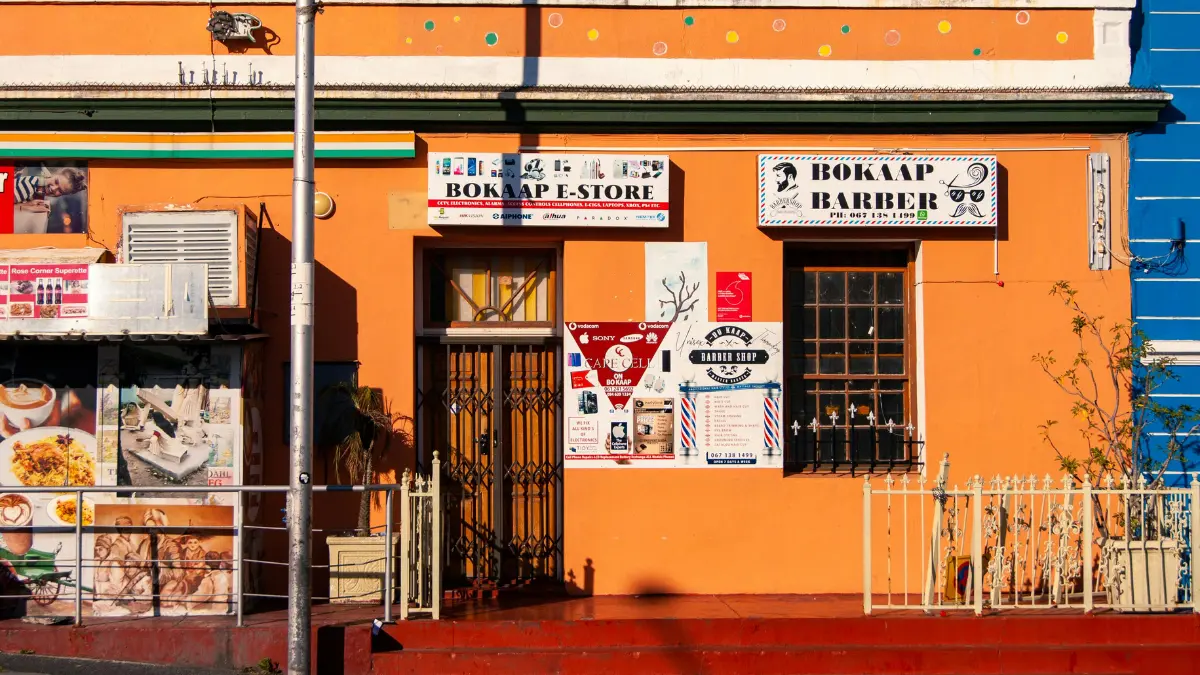
Rose Corner Café
Rose Corner Café is a takeaway stop rather than a sit-down restaurant. It is best known for koesisters, warm worsies, samoosas, and everyday staples. This is one of the old-style corner shops that continues to serve the neighbourhood despite pressure from larger retailers.
Where to find it: 100 Wale St, Bo-Kaap
Bo-Kaap Deli
Bo-Kaap Deli offers a more contemporary menu rooted in local flavours. Its koesisters are a highlight and often the reason people stop by. The food is generally well regarded, though service can be inconsistent.
Where to find it: 114 Church St, Bo-Kaap
Cooking Classes and Cultural Experiences
Home-based cooking classes offer a practical introduction to Cape Malay food and family life. Most involve preparing traditional dishes such as curries, samosas, and rotis, followed by a shared meal.
Places are limited and should be booked in advance. Priority should be given to experiences hosted by long-term residents.
Visiting Respectfully
Dress and Behaviour
Bo-Kaap is a predominantly Muslim neighbourhood and a residential area where families go about their daily lives. Visitors are asked to dress conservatively. Shoulders, legs, and chests should be covered, particularly near mosques and during prayer times. Women planning to enter a mosque should carry a headscarf.
Moving through the neighbourhood with consideration makes a difference. Streets are narrow, and homes open directly onto them. Keeping voices low and allowing space for residents to come and go helps maintain their daily routine.
Photography
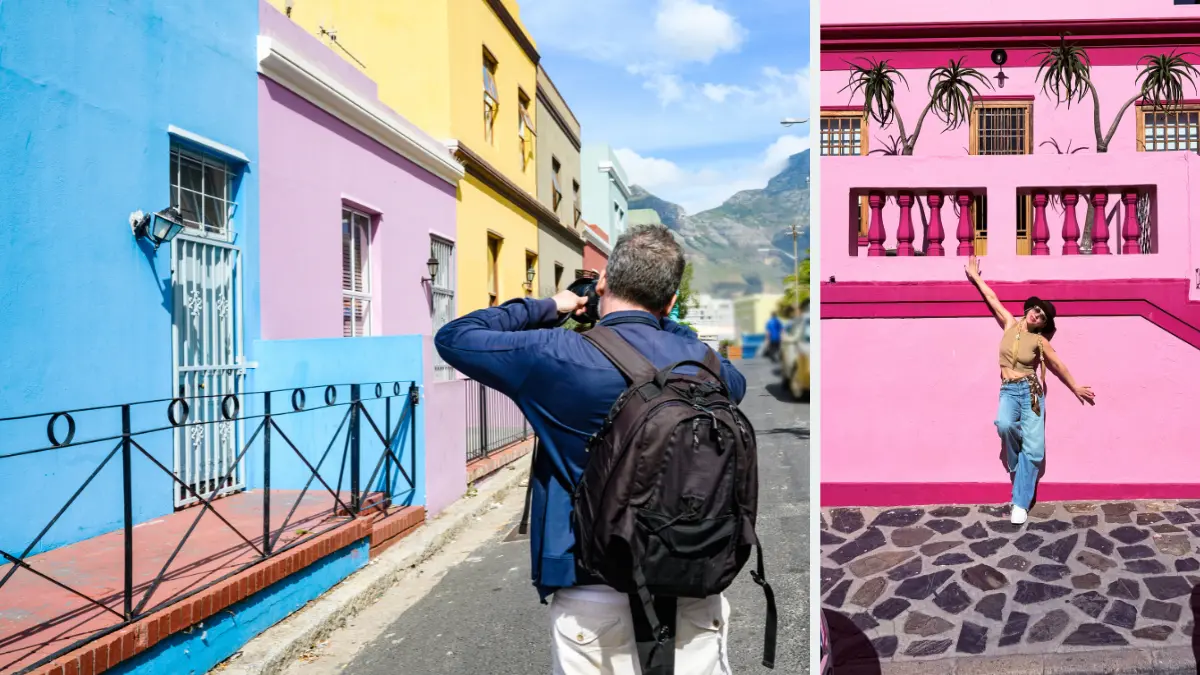
The houses in Bo-Kaap are private homes. People live behind the doors you are photographing. When taking photos, avoid including residents unless you have asked permission.
Do not sit on steps, lean on gates, or move furniture to get a better angle. These are part of someone’s home, not public space. Keep groups small, take photos quickly, and step aside so streets remain clear.
Approaching photography this way helps residents continue their daily routines without disruption.
Safety Tips for Visitors
Bo-Kaap is generally safe to visit during the day, but it is still an inner-city residential area. Basic urban awareness applies.
- Visit during daylight hours: Late morning to late afternoon is best. Avoid walking around after dark unless you are with a local guide or heading directly to a specific destination.
- Stay aware of your surroundings: Do not walk while focused on your phone or camera. Be alert to what is happening around you.
- Secure valuables: Keep phones, wallets, and cameras out of sight when not in use. Avoid displaying expensive items.
- Do not linger unnecessarily: Standing in one place for a long time can make you an easy target for petty crime.
- Avoid quiet or empty streets: Stick to busier routes where there is visible activity.
- Do not carry large amounts of cash: Use cards where possible.
- If something feels off, leave the area: Trust your instincts. You do not need to justify discomfort.
- Consider a guided walk: Local guides know which routes are safest and can help you avoid problem areas.
Visiting Bo-Kaap Thoughtfully
Bo-Kaap is not a checklist stop. It is a living neighbourhood shaped by faith, family, and long-held traditions. How you move through it matters. So does where your money goes, how you interact with residents, and what you choose to learn rather than simply photograph.
If you are staying with The Oyster Collection, our concierge team can help you plan a visit that is informed, respectful, and well-paced. From recommending local guides to helping you choose the best time of day to visit, they are there to make sure your experience adds to the area rather than detracts from it.
Travel can be meaningful when it is done with care. Bo-Kaap deserves that.
FAQs: Visiting Bo-Kaap
Is Bo-Kaap safe to walk around?
Bo-Kaap is generally safe during the day. Like most central areas in Cape Town, petty crime exists. Stay aware, keep valuables out of sight, and use Uber after dark.
What is Bo-Kaap famous for?
Bo-Kaap is known for its brightly painted houses, Cape Malay heritage, historic mosques, and long-standing Muslim community.
Why are the houses in Bo-Kaap colourful?
For long periods, residents were restricted to white façades. After slavery was abolished in 1834, homeowners began using colour to mark ownership. During apartheid, colours were muted again. Bold colours returned after restrictions ended in the early 1990s, becoming a visible rejection of past controls.
What should I wear when visiting Bo-Kaap?
Dress conservatively. Cover shoulders, legs, and chest. Women should carry a headscarf if entering a mosque.
How long should I spend in Bo-Kaap?
Most visitors spend one to three hours, which is enough time for the museum, a walk through the streets, and a meal.
Is Bo-Kaap worth visiting?
Yes, if you want a deeper understanding of Cape Town’s history and culture. A respectful visit adds far more value than a quick stop for photographs.
Written by The Write Dynamic for The Oyster Collection, combining SEO-informed content strategy with insight and information provided by the Oyster Collection team.