

How Long to Stay in Cape Town for a First Visit
How long to stay in Cape Town is one of the most common questions travellers ask when planning a trip to South Africa. The short answer is that no amount of time ever feels like enough. Cape Town is a big spread-out city that often surprises first time visitors with its variety. You can reach mountains, beaches, vineyards, and city neighbourhoods, but not all in one simple route.
Instead of trying to see all the sights, focus on a few key experiences based on the length of your stay. Where you choose to stay can shape your trip as much as how many nights you spend in Cape Town.

Planning How Long to Stay in Cape Town
It’s best not to over-plan in Cape Town. Travel times can change, the weather can affect your plans, and some days are just better when you take things slow. At The Oyster Collection, we suggest picking a few main priorities and staying flexible. This usually leads to a better trip.
Staying in Cape Town for 3 Days
With three days, it helps to be clear about your plans. Three days give you a good introduction, but you’ll need to focus. Instead of trying to see everything, aim to get a quick and enjoyable feel for Cape Town.
We usually recommend planning your visit around Table Mountain, the waterfront, and the Atlantic seaboard.
What We Focus On With Limited Time
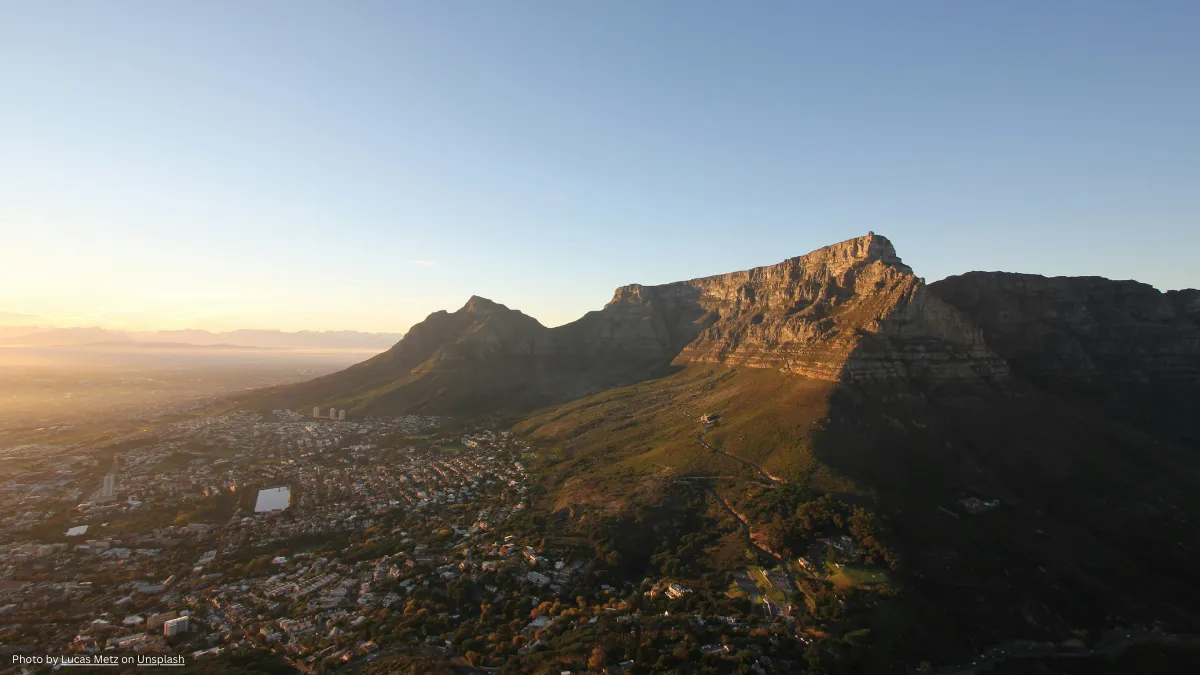
We recommend Table Mountain because it provides context quickly. You understand the shape of the city, where the coast sits, and why the weather affects plans here. It’s also the one attraction that most travellers regret missing when they leave it “for later”.
As a New7Wonder of Nature, it offers panoramic views across the city, coastline, and surrounding mountains. The mountain forms part of Table Mountain National Park and is home to unique fynbos vegetation and wildlife such as dassies, making it more than a viewpoint.
If the cableway closes due to weather, the mountain is still part of the experience. The drive along Tafelberg Road below the cableway offers excellent perspectives back across the bowl and harbour.
The V&A Waterfront is unmissable on a first visit because it brings several aspects of Cape Town together in one place. Built around a historic working harbour, it combines shops, restaurants, museums, and boat activity in an area that is easy to explore without a plan.
Located roughly ten minutes from Seapoint and about twenty minutes from Camps Bay, its central location makes it practical to fit into a short stay. As part of Cape Town’s recognised Big Six attractions, it gives a clear sense of the city’s energy without requiring a full day.
Where to Base Yourself for a Short Stay
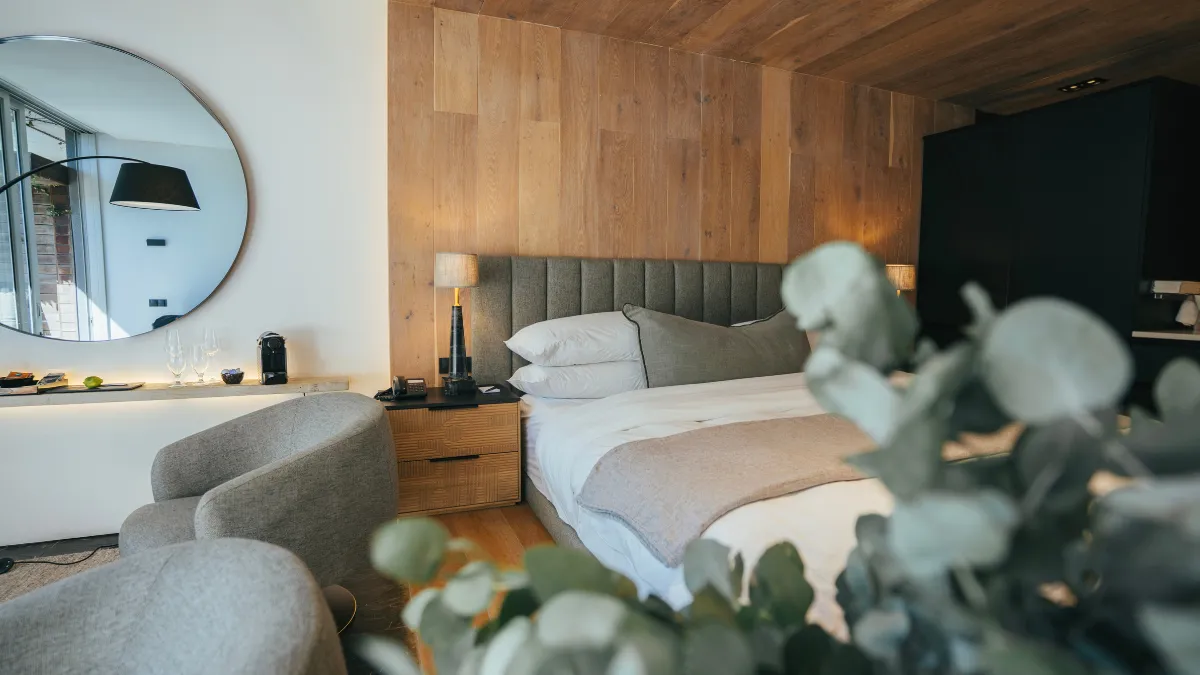
We usually suggest ending a day in Camps Bay. The promenade, beach, and restaurants cluster along the same stretch, which matters when time is limited. For guests staying at POD Camps Bay, the beach and some of the city’s best restaurants are within walking distance, making it an especially easy base for a short visit.
Three days will never feel complete, but it should leave you curious rather than exhausted.
Staying in Cape Town for 5 Days
Five days give Cape Town more room to show its range. You are no longer rushing between highlights, and you can start pairing big sights with places that add depth rather than spectacle.
What we recommend prioritising
At this pace, we continue to prioritise Table Mountain and recommend spending time at Kirstenbosch National Botanical Garden. Kirstenbosch offers a different view of the mountain and introduces the Cape Floral Kingdom.
Officially known as Kirstenbosch National Botanical Garden, it is regularly ranked among the most significant botanical gardens in the world and was recently named one of the Top 25 Gardens globally by The New York Times Style Magazine.
Beyond its setting, Kirstenbosch plays an active role in plant conservation and public education. It forms part of a UNESCO World Heritage Site, and entrance fees directly support the protection of one of the most diverse plant regions on Earth. It’s an easy place to spend a few unstructured hours without committing a full day.
Adding Cultural Context in the City
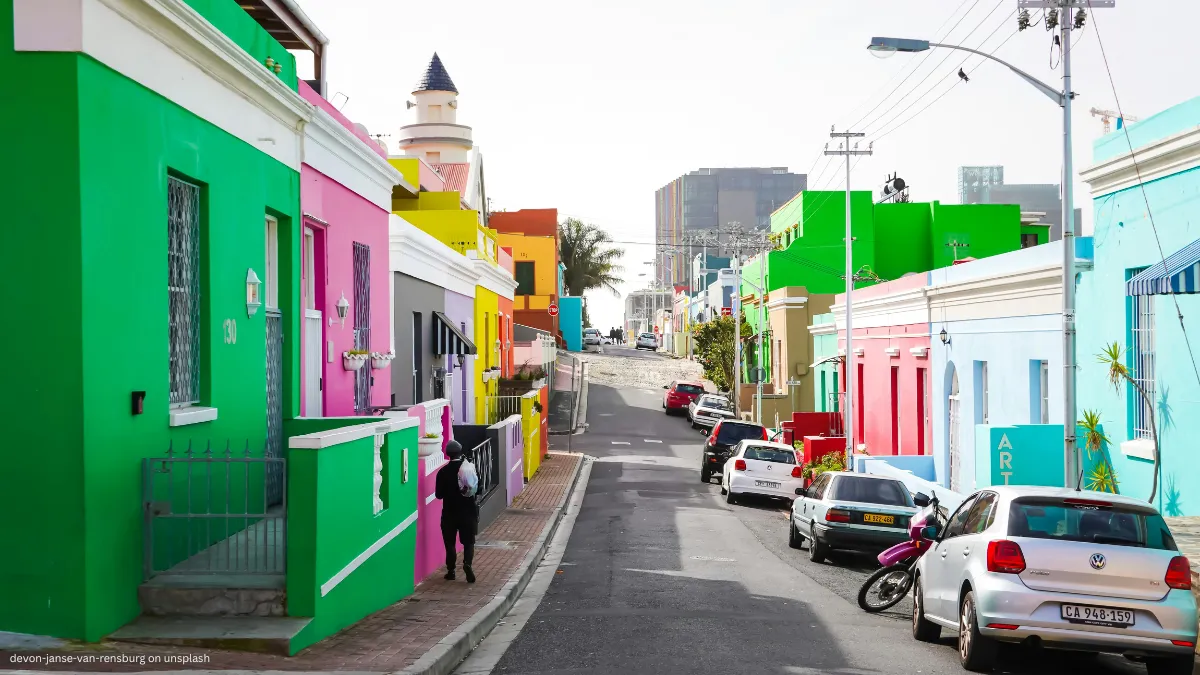
Time in Bo-Kaap adds important context to a Cape Town visit. It is one of the few areas where the city’s history, daily life, and architecture are visible within a compact, walkable space. Known for its brightly painted houses and steep streets, Bo-Kaap is also one of the most photographed and recognisable parts of the city. That visibility comes with a responsibility.
This is a residential neighbourhood, not an open-air museum, and visitors are requested to respect residents’ privacy, keep noise levels down, and be mindful when taking photographs. Bo-Kaap is the centre of Cape Malay culture and one of Cape Town’s oldest residential areas, with deep Islamic heritage, historic mosques, and strong links to communities descended from enslaved people brought from Southeast Asia.
Making Time for the Penguins at Boulders Beach
Boulders Beach is worth prioritising because it offers a rare opportunity to see African penguins at close range in a natural setting. The experience is memorable, but it also carries an important message. These penguins are critically endangered, and their numbers continue to decline, making the visit engaging yet sobering.
Boulders Beach is on the False Bay side of the peninsula, making it practical to include nearby coastal towns in the same day. Kalk Bay is known for its working harbour, fresh seafood, and independent shops. St James is recognised for its colourful bathing boxes and tidal pool, while Fish Hoek offers a wide, family-friendly beach and long promenade.
The drive is part of the experience, particularly along Chapman’s Peak Drive, where the coastline feels markedly different from the city beaches and gives a sense of the Cape’s raw Atlantic edge.

Choosing the Right Base for Five Nights
For a five-night stay, Seapoint works well for guests who want more space and the option to self-cater, while still having access to service and local support. The promenade, cafés, and restaurants are close by, making it a practical base for families or longer stays.
Villa Lauren is a private two-bedroom Victorian villa with a garden and splash pool, suited to families or extended stays where a full kitchen and outdoor space matter. Villa Gareloch is a three-bedroom villa ideal for families or friends travelling together. Both villas offer optional access to Blackheath Lodge’s breakfast service and on-the-ground support.
The Apartment at Blackheath Lodge suits smaller groups or families who prefer apartment-style living, with generous living space, a kitchenette, and a private balcony overlooking Seapoint and the ocean.
All three options place guests close to the promenade and within easy reach of restaurants, beaches, and family-friendly attractions.
What a Full Week Allows You to Add
A seven-day stay builds on the five-day structure rather than replacing it. The key difference is flexibility. With more time available, we can include experiences that rely on fixed schedules, longer drives, or a slower pace without pushing everything else out of the trip.
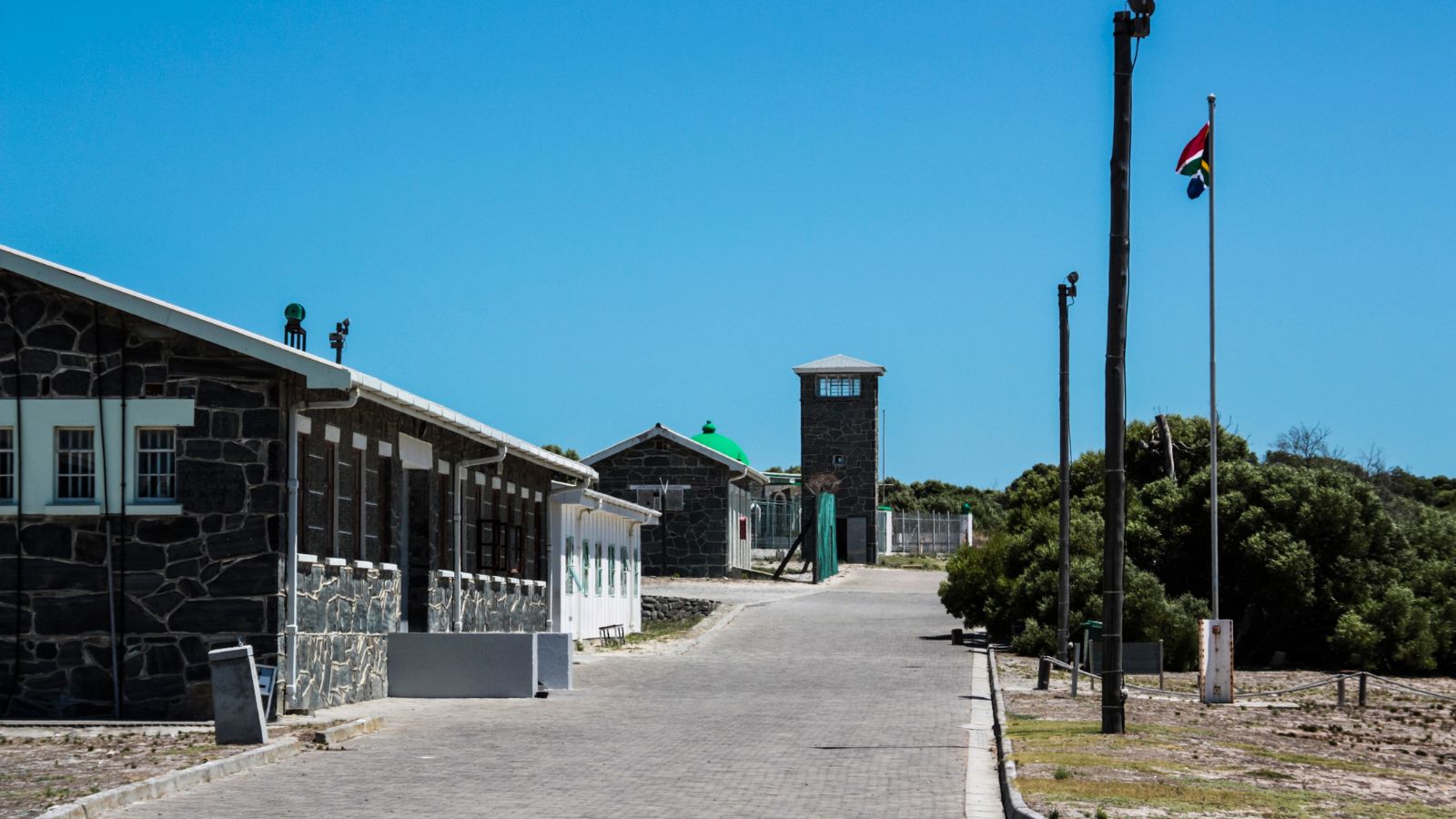
With seven days, there is room to include Robben Island without it dominating the stay. The visit runs on fixed ferry schedules from the V&A Waterfront and takes several hours, which makes it difficult to accommodate on shorter trips without sacrificing other priorities.
Adding Robben Island Without Losing a Day
Robben Island is one of Cape Town’s most significant heritage sites and part of the city’s Big Six attractions. It offers direct insight into South Africa’s political history, forced imprisonment, and the lives of those held there, including Nelson Mandela. Allowing proper time means the visit is approached as a considered experience rather than a logistical exercise.
Extending the Cape Peninsula Beyond a Quick Loop
A longer stay also allows the Cape Peninsula to be treated as a full day rather than a rushed loop. Chapman’s Peak Drive becomes part of the experience because the route includes designated viewpoints where stopping safely is encouraged. This makes it possible to take in the Atlantic coastline properly instead of using the road as a shortcut between destinations.
At this length of stay, Cape Point fits without compressing the rest of the day. The reserve forms part of Table Mountain National Park and includes walking trails, a historic lighthouse, and exposed coastal landscapes. Wildlife such as baboons and antelope are commonly seen, and the scale of the area feels distinctly removed from the city.
Including City History Beyond the Highlights
Additional time in the city creates space for places that deepen understanding rather than add scenery. The District Six Museum documents the forced removal of more than 60,000 residents during apartheid and explains how planning decisions reshaped modern Cape Town. It is a focused visit that changes how many central neighbourhoods are understood.
Where an Overnight Winelands Stay Fits Logistically
Seven days is also the point where the Winelands deserve more than a rushed visit. Franschhoek is widely regarded as South Africa’s culinary capital, with an exceptional concentration of leading restaurants and chefs in a compact village.
It is surrounded by internationally respected wine farms, making it a serious food and wine destination rather than a scenic add-on. Staying overnight allows for long lunches, evening dining, and tastings without compressing everything into a single day or driving back to Cape Town late.
Where to Stay in Franschhoek
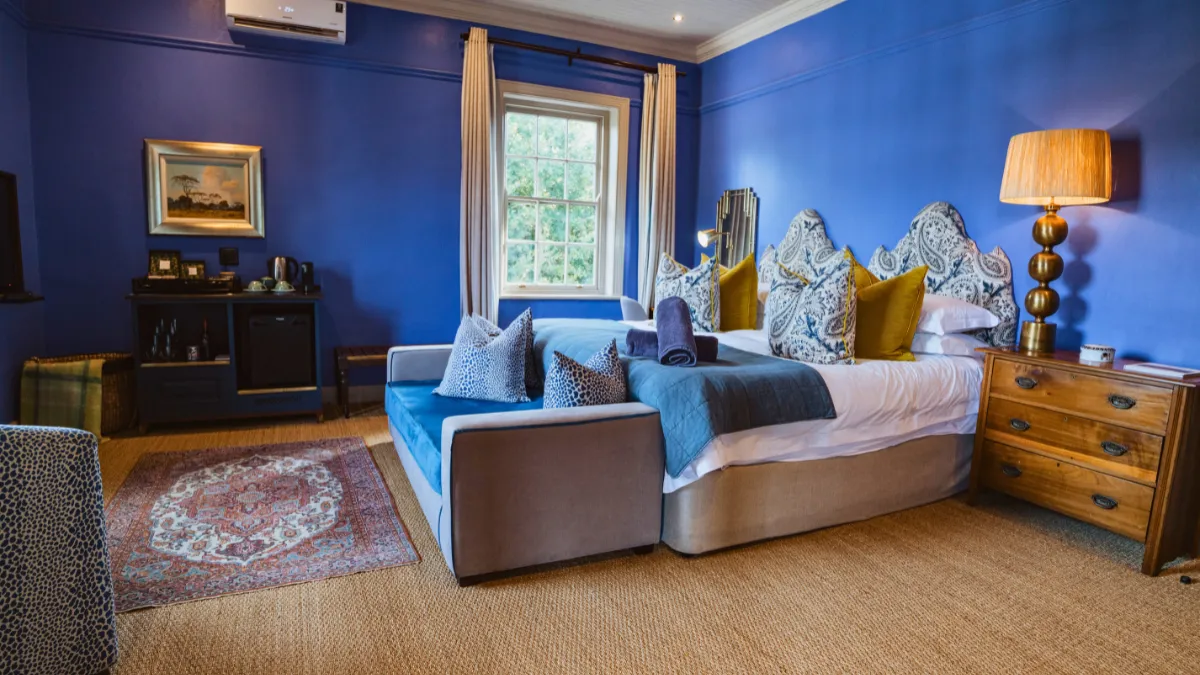
All three Oyster Collection properties in Franschhoek are within walking distance of the village. Each offers onsite parking, concierge support, and local guidance, while catering to different styles of stay.
- Pink Door Franschhoek offers a fully private three-bedroom villa with multiple living spaces and a chef’s kitchen, with butler and private chef services available on request.
- La Fontaine Boutique Hotel is positioned in the heart of the village across two restored heritage buildings, with 17 individually designed rooms, shared gardens, and a pool, while maintaining a quiet, contained feel.
- Avondrood Guest House dates back to 1870 and offers eight spacious suites within landscaped gardens, appealing to guests drawn to heritage architecture and a smaller-scale setting.
A week changes the tone of a Cape Town visit. There is room to move plans around, revisit places you enjoyed, and leave space between bigger days rather than filling every gap.
Why We Suggest a Split Stay
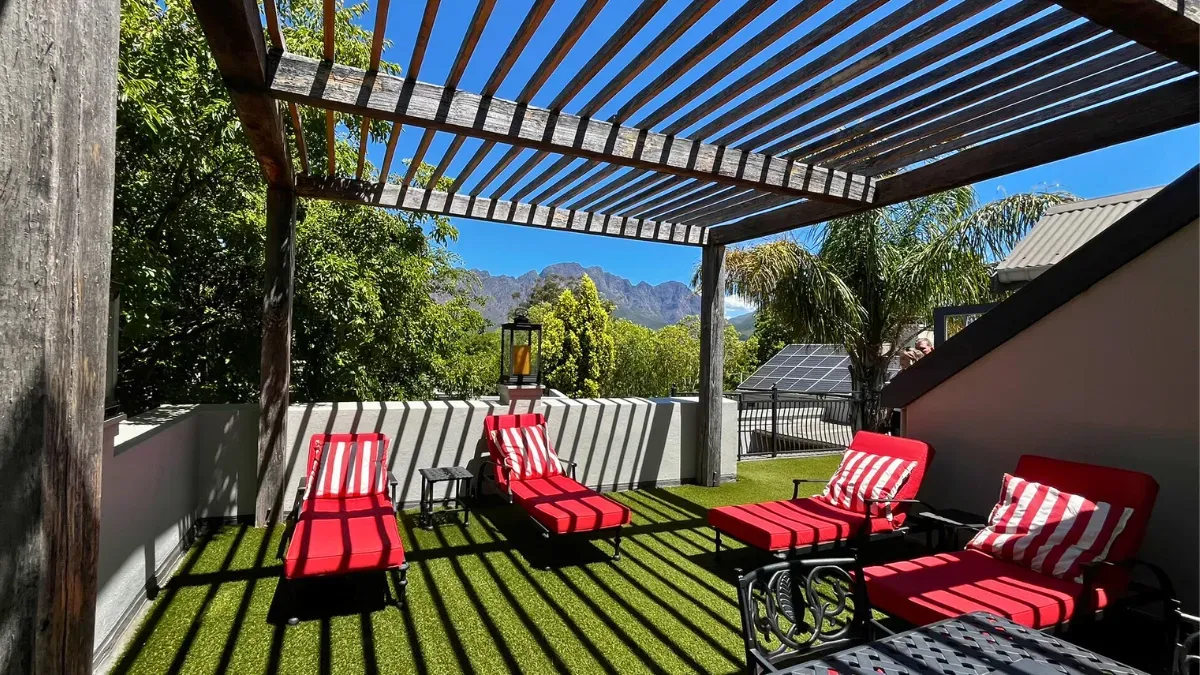
Cape Town and Franschhoek offer very different day-to-day experiences. Cape Town involves longer distances, varied neighbourhoods, and more time spent moving between areas, while Franschhoek is compact and walkable once you arrive.
Driving between the two each day quickly eats into time, so splitting your stay reduces unnecessary travel and allows you to experience both places at a more natural pace.
So, How Long Should You Stay in Cape Town?
Three nights provide a solid introduction. Five nights give enough time to see key parts of the city while allowing for weather changes and longer outings. A week or more allows flexibility and makes a split stay worthwhile.
Plan your Cape Town stay with The Oyster Collection and experience the city with hospitality grounded in local knowledge, considered locations, and genuine support throughout your trip.