

Winter in Cape Town: A Practical Visitor Guide
Despite cooler temperatures and some rain showers, winter in Cape Town offers some of the best holiday experiences. Our guide explains what winter in Cape Town is like, what to pack, and how to plan activities with confidence.
What Is Winter in Cape Town Like?
Winter in Cape Town runs from June to August and can deliver a bit of everything. Some days are cold and wet, while others offer crisp air and clear views with regular sunny breaks perfect for hikes or scenic drives.
Winter announced itself early this year, with a series of cold fronts that brought heavy rain, icy temperatures, and early-season snow to high-lying areas of the Western Cape. Many Capetonians were lighting their fireplaces as early as May.
While visitors should not arrive expecting guaranteed sunshine, our typical winter weather is moderately cold and not harsh by European standards.

Cape Town Winter Weather: What to Expect
Cape Town’s winter weather can change quickly. Locals often joke that the city has all four seasons in one day. Pack and plan with flexibility in mind.
Average Winter Temperatures
Daytime temperatures usually range from 12°C to 17°C, with nights dropping to around 4°C to 8°C. Mornings and evenings can feel colder along the coast and on the mountain slopes, so plan indoor dinners, theatre, galleries, or wine bars for the chilliest evenings.
Rain and Wind
Rain often comes in bursts rather than all-day drizzle, and windy days are common. Use the rougher weather for museums, galleries, indoor markets, long lunches, or a spa treatment you’ve been saving for a cold day.
Daylight Hours
Gone are the long daylight hours Cape Town summers are known for. By mid-June, sunrise is closer to 8 am, and sunset falls before 6 pm, so plan hikes, beach walks, wine farm visits, and scenic drives for earlier in the day.
That said, Cape Town does not shut down after dark. Winter evenings are ideal for cosy restaurants, fireside dinners, wine bars, live music, or a night at the theatre.
Is Cape Town Worth Visiting in Winter?
Yes. Cape Town is well worth visiting in winter.
You’ll find fewer crowds, better restaurant and accommodation availability, quieter wine farms, and the start of whale season.
By late winter, the West Coast wildflowers also begin to appear, turning the landscape into one of the Cape’s most famous seasonal displays. If you’re visiting in August, add a flower route drive to your plans.

What to Pack for Winter in Cape Town
If you’re uncertain about what to wear in Cape Town in winter, this list will help you prepare.
Winter Packing List
Warm Clothing:
- Long-sleeved tees and jeans.
- Long-sleeved shirts and long trousers.
- Some smart-casual wear for wine farm and restaurant outings.
Layering Pieces:
- Pullover sweaters.
- A fleece or lightly- padded jacket.
- A warm scarf or a hat for the cooler evenings.
Footwear:
- Trainers or comfortable walking shoes for the promenade, gardens, and light hikes.
- A pair of closed shoes with non-slip soles to provide grip on wet surfaces on rainy days.
For the Sun and the Rain:
- A small umbrella will be useful, but be warned that Cape Town’s wind can make it challenging to use. A waterproof rain jacket with a hood might be a better choice.
- Sunglasses with UV protection and sunscreen for clear winter days (You can get sunburned in winter sun).
- Don’t forget the swimwear and a beach wrap or pair of shorts for lounging at the hotel pool or sauna, and for spa days.
What Not to Pack
Don’t pack heavy coats unless you are travelling onward to colder regions. Formal evening wear is also usually unnecessary, unless you have several fine dining bookings.
Casual clothing is fine, but don’t pack for summer only. Open sandals are not ideal for wet pavements, so bring one pair at most and make the rest of your footwear winter-friendly.

Best Things to Do in Cape Town in Winter
Our on-the-ground knowledge makes any winter stay more enjoyable and easier to plan. Here are our top recommendations for a winter stay.
Ride to the Top of Table Mountain
Table Mountain is Cape Town’s top attraction and one of the New 7 Wonders of Nature.
The best way to enjoy the magnificent views is with a ride up to the top via the Table Mountain Aerial Cableway. The service is weather-dependent and is often halted due to overcast weather. Have an alternative planned to avoid disappointment.
The cableway will be closed for annual maintenance from 27 July to 9 August 2026.
Go Whale Watching
Winter in Cape Town marks the start of whale season, which makes whale watching an obvious choice if you are in Cape Town. At Cape Point along the False Bay coast, you might spot Southern Right whales migrating to warmer waters.
Hermanus is perhaps the best-known day trip destination for whale-watching enthusiasts, with sightings peaking for Cape Town in July. Take note that whale-watcher boat trips are subject to weather and ocean conditions.
Visit Kirstenbosch Gardens
Kirstenbosch National Botanical Garden is part of the Cape Floristic Region, a UNESCO World Heritage Site. The 528 hectares (1,305 acres) showcase thousands of plant species, including rare and exotic plants.
South African National Biodiversity Institute (SANBI) notes that fynbos is at its best during winter. Time your Kirstenbosch visit between rainy spells, then head into nearby Constantia for a wine tasting and lunch.

Plan a Wine Day
Make a winter’s day a wine day along the Constantia Wine Route, which has a history of more than 300 years. Groot Constantia is the closest major wine estate to central Cape Town and an easy addition to a winter itinerary.
Stellenbosch and Franschhoek are also excellent options for a day trip, especially if you want to include lunch and a wine tasting. Book ahead, as popular estates and restaurants can fill up quickly, even in winter.
Explore the Atlantic Seaboard
The historical Sea Point Promenade along the Atlantic Seaboard beachfront is easy to walk, and a stone’s throw from rows of welcoming coffee shops and restaurants. Soak up the sea views and the fresh air, then tickle your taste buds at one of the local eateries.
Camps Bay is a sought-after residential area on the Atlantic Seaboard. It has a beautiful beach, good for sunset walks and taking holiday snapshots. There are a variety of restaurants to choose from once you’ve worked up an appetite.
Spend Time at the V&A Waterfront
The V&A Waterfront is a major tourist destination, and it’s easy to see why.
The Waterfront complex boasts countless restaurants and retail stores, plus the Cape Town ferris wheel, Watershed Market and Two Oceans Aquarium. The latter is the perfect choice if travelling with children, easy to pair with an outing to Zeitz MOCAA nearby.
According to V&A’s CEO Graham Wood, the precinct recorded more than 3 million visitors in December 2025 alone. It’s a hub of activity during winter, too, and a good option for rainy days.
Enjoy Our Museums and Galleries
Cape Town is home to many museums, theatres, and art galleries. The Iziko Museum, Zeitz MOCAA, The Norval Foundation, and District Six Museum are just a few on a long, distinguished list.
These winter activities are fantastic for the whole family. You’ll learn more about the Mother City and South Africa, enjoy contemporary African art, and be entertained by world-class performers. Most cultural facilities have restaurants, coffee shops, and souvenir stores.
Take a Cape Peninsula Drive
If the open road beckons, Chapman’s Peak, Hout Bay, Noordhoek, Simon’s Town, and Kalk Bay are world-renowned scenic routes. Start driving early, as winter in Cape Town means fewer daylight hours. Choose days with clear weather to drive safely and enjoy the scenery.
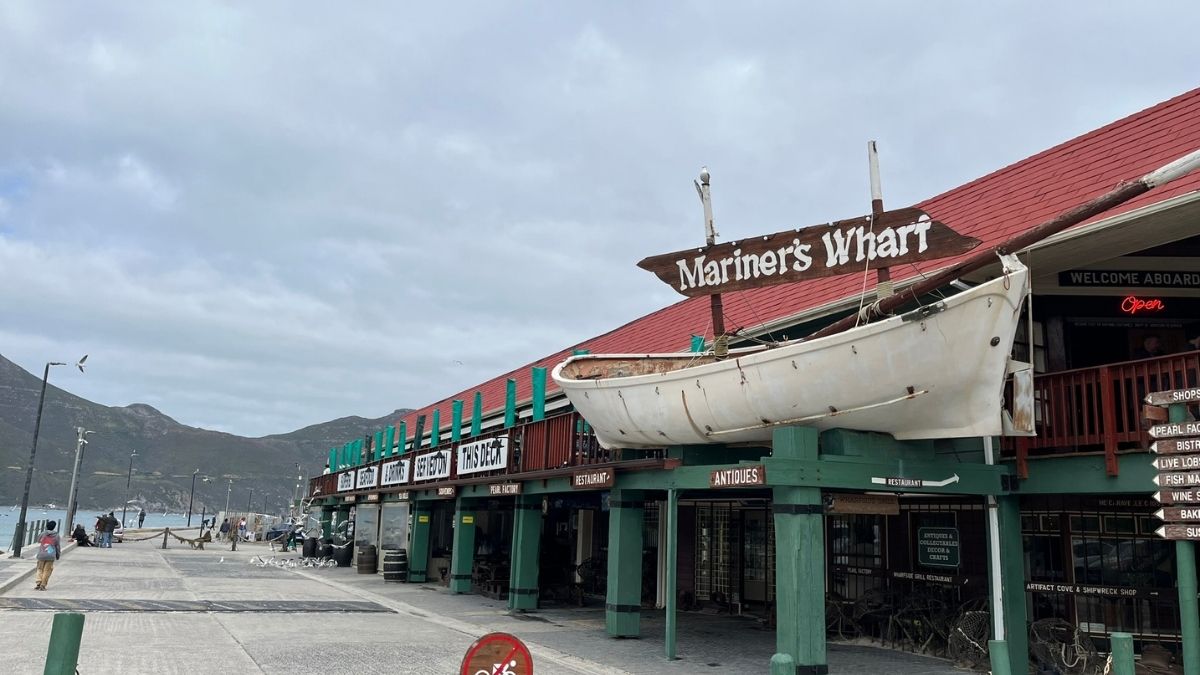
When in Hout Bay, be sure to stop by Mariners Wharf, a much-loved harbour emporium. Their generous portions of fresh seafood and warm hospitality will cheer up any winter’s day. It’s the perfect pitstop on a Cape Peninsula Drive.
Savour New Flavours
Food lovers are never disappointed in Cape Town in winter. The city boasts some of the best cafes, wine bars, bakeries and coffee shops in the country. Many of these have fireplaces or outdoor heaters to keep patrons warm on cooler winter days.
Beat the chill in the air with a hearty meal. Opt for traditional Cape Malay cuisine, or try a fusion of local African and international flavours. Remember to book in advance at fine dining establishments.
If you are staying with The Oyster Collection, our team is always ready to help with local recommendations and reservations.
How to Plan a Winter Itinerary in Cape Town
Here are our top tips for a visit to Cape Town in winter.
Plan Outdoor Activities Around the Forecast
Check the weekly and daily weather forecasts on your phone. Choose the clearest days for trips up Table Mountain, drives along the coast, and outings to Cape Point or Kirstenbosch. Pay attention to storm warnings or road closures announced in the media.
Keep Rainy-Day Options Ready
Have a few rainy-day options ready for when the weather changes. Museums and galleries’ hours of operation may change to accommodate shorter winter days, so check their websites before you go.
Know Your Transport Options
Uber and car rental services are widely used for getting around Cape Town. Always ensure that the Uber driver who picks you up is the one shown in the app.
If you prefer getting around without a car, the MyCiTi bus service is affordable and convenient. You’ll need a MyCiTi card, but these are available at bus termini and selected supermarkets. Check the MyCiTi website for routes and schedules.

Where to Stay in Cape Town in Winter
Select accommodation in areas with easy access to transportation and restaurants for maximum convenience. This will give you more time to explore and prevent travelling long distances in cold or rainy weather.
A Well-Connected Coastal Base
Seapoint is a practical winter base. You have quick access to the V&A Waterfront, Green Point, the city centre, and the Atlantic Seaboard, plus cafés, restaurants, and the promenade nearby. Blackheath Lodge puts you in this well-connected neighbourhood, but on a quiet, tree-lined street below Signal Hill. Built in 1880, this Oyster Collection boutique hotel gives you a hosted Sea Point stay close to Cape Town’s main attractions.
A Scenic Atlantic Stay
Camps Bay is quieter in winter, but still one of Cape Town’s most sought-after coastal neighbourhoods. You have Atlantic views, beach walks, the beachfront restaurant strip, and easy mountain access. POD Camps Bay places you close to the beach, with a local team to help you plan around Cape Town’s changing winter weather.
Planning a winter trip to Cape Town? Book your stay with The Oyster Collection and let our local team help with restaurant recommendations, reservations, transport advice, and practical tips for making the most of the city in cooler weather.