

How to Get Around Cape Town: What to Know When Planning Your Trip
Knowing how to get around Cape Town can significantly enhance your experience. While the city appears small on a map, it actually encompasses a large area, including coastlines, hills, and traffic hotspots. How long it takes to get places depends more on when and how you travel than just the distance..
If you underestimate this, you may lose time in transit, compress your days, or plan too many locations into a single outing.
How to Get Around Cape Town and Why Distance Matters
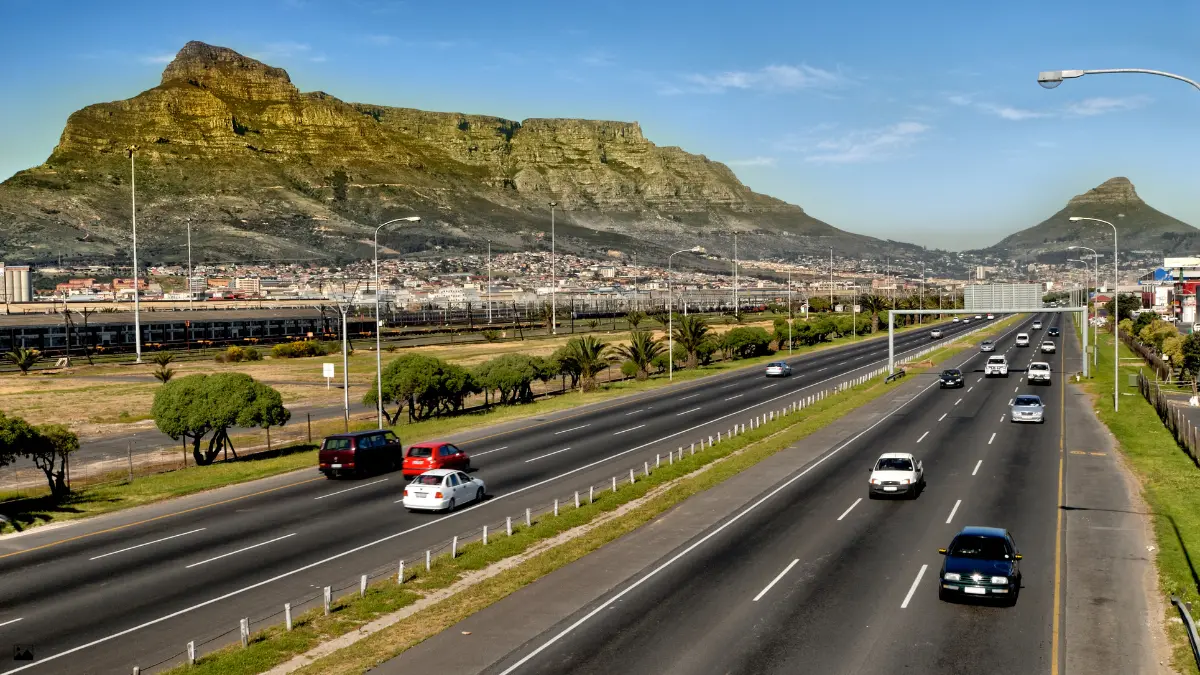
Cape Town stretches along the Atlantic coast, wraps around Table Mountain, reaches inland to the northern suburbs, and extends down the peninsula. Some places that appear close can take much longer to get to, especially during rush hour from 7 to 9 am and 4 to 6:30 pm.
If you’re staying in Camps Bay or Seapoint, getting to central Cape Town is simple. Travelling farther needs more planning. For example, driving to Franschhoek takes approximately 1 to 1.5 hours each way, depending on traffic and the time of departure. Treat this as a half-day or full-day trip, not a quick visit.
Trying to visit several areas in one day can mean getting stuck in traffic and having to rush meals, activities, or rest.
Airport Transfers and First Arrivals
One of the first decisions when planning how to get around Cape Town is how you leave the airport. Arriving at Cape Town International Airport after a long-haul flight is not the moment most travellers want to negotiate transport.
Transfers to Seapoint or Camps Bay take about 25 minutes outside peak hours, but regularly exceed an hour in heavy traffic. If you are travelling to Franschhoek, the drive typically takes 1 to 1.5 hours each way, depending on departure time and traffic conditions.
Ride-hailing is available at the airport, but it’s important to use ACSA-approved operators only. These services operate from designated pickup areas inside the terminal precinct and follow airport security and licensing requirements. Drivers who approach passengers inside the terminal or outside marked zones should be avoided.
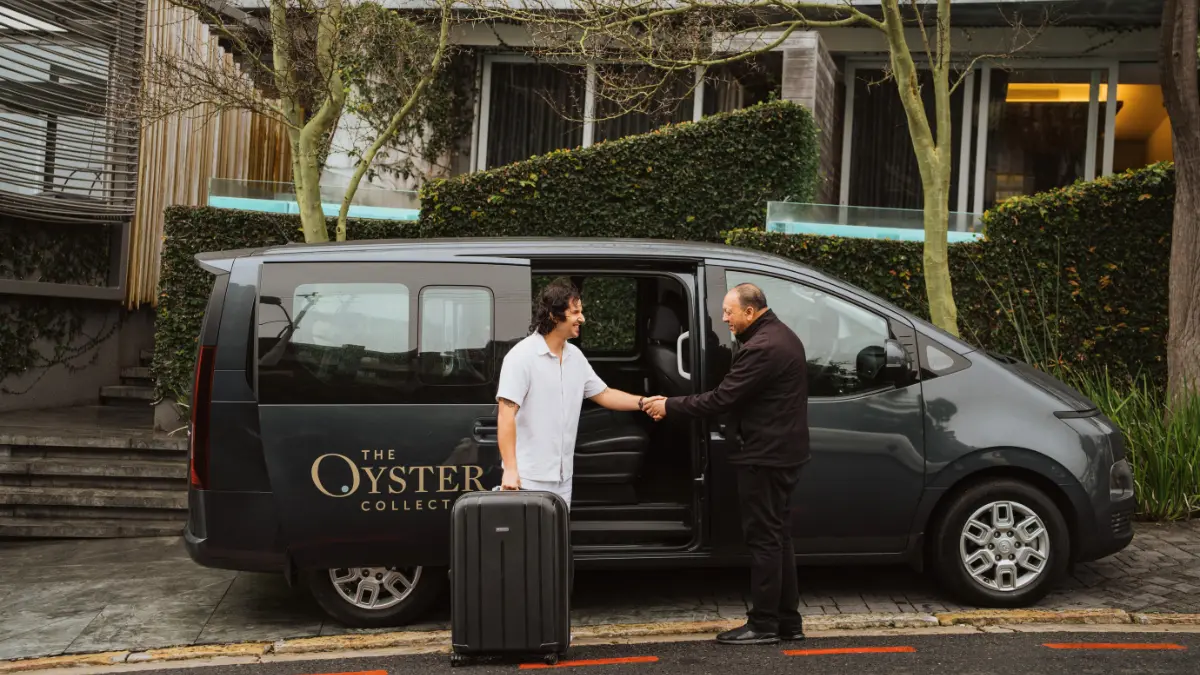
The Oyster Collection can arrange private airport transfers for you. Drivers meet arrivals, handle luggage, and take the most direct route based on traffic conditions. We recommend this for first-time visitors, families, and late-night arrivals who want a predictable start to their stay.

Ride-Hailing in Cape Town
Ride-hailing is one of the most common ways people move around central Cape Town. In areas such as Seapoint, Camps Bay, the City Bowl, and the V&A Waterfront, coverage is strong during the day and early evening.
We recommend using Uber for single, direct trips. Multiple short stops often lead to longer wait times and cancellations.
Vehicle standards vary noticeably by category. UberX is the most consistent choice and is better suited to longer trips or airport transfers. Lower-cost options can be unpredictable, particularly during busy periods or late in the day.
During peak travel times and late at night, availability drops and wait times increase, especially outside central neighbourhoods. Planning return journeys helps avoid delays.
Metered Taxis
Metered taxis operate around the city centre and near major hotels. Fares are usually higher from busy tourist areas such as the V&A Waterfront. If a taxi has a working meter, ask for it to be used. This is often cheaper than agreeing on a flat rate before departure.
As with ride-hailing, we recommend avoiding taxi travel alone late at night.
Minibus Taxis
Minibus taxis are a major part of daily transport for locals, particularly between the Cape Flats and the city centre. They are inexpensive and frequent, but they operate without fixed stops, accept cash only, and can be crowded.
We do not recommend minibus taxis for most visitors. They require confidence, familiarity with routes, and constant awareness. They are not suitable for luggage, late-night travel, or longer journeys, and they are not designed for visitors unfamiliar with local transport norms.

Accessibility Considerations
If you have mobility requirements, ride-hailing and pre-arranged transport are the most reliable options. Public transport accessibility varies by route, but MyCiTi buses offer features such as level boarding and designated access points.
If accessibility is a consideration, we recommend planning transport in advance so suitable options can be arranged.
Budgeting for Daily Transport
Daily transport costs are often underestimated. Short trips between Seapoint, the Waterfront, Camps Bay, and the City Bowl add up quickly when repeated several times a day.
Relying entirely on ride-hailing often costs more than expected once multiple stops, return trips, and traffic delays are factored in. Planning fewer locations per day or grouping nearby activities reduces time spent travelling and overall cost.
Longer excursions, such as the Winelands or the Cape Peninsula, are not cost-effective by taxi alone.

Getting Around Without a Car
If you’re staying in Seapoint or Camps Bay, many restaurants, cafés, beaches, and the promenade are within walking distance. For anything further, Uber works well during the day.
Once plans extend beyond these areas, transport needs change. Wine farms, Cape Point, and longer coastal routes are not practical on foot or by short taxi trips. These outings need either a car or organised transport.
If you prefer not to drive, The Oyster Collection offers tours to many of Cape Town’s most popular attractions. This allows guests to explore further afield without worrying about routes, parking, or timing.
Exploring on Foot
Many parts of Cape Town are easier to navigate on foot. You can use Uber or a taxi to reach a neighbourhood, then continue on foot rather than driving short distances.
In Bo-Kaap, steep gradients, narrow streets, and limited parking make walking the most practical way to move through the area and see it properly. Driving through is slow and restrictive, while walking allows you to explore side streets and stop as needed.
The same approach applies to central parts of town, where walking gives better access to shops, galleries, and public spaces than moving by car.
At the V&A Waterfront, pedestrian routes connect the harbour, retail areas, restaurants, and museums. Once you arrive, you can cover the precinct entirely on foot without needing additional transport.
Two practical points apply. Drivers do not consistently stop at pedestrian crossings. After dark, Uber or pre-arranged transport is safer than walking.
Non-motorised transport routes run along certain roads and greenbelts and link into parts of the public transport network. Coverage is uneven and should not be relied on for longer distances.

Cycling in Cape Town
Cycling in Cape Town ranges from easy rides along the promenade to longer routes that involve hills, open roads, and traffic. Where you cycle makes a big difference to how relaxed or demanding the experience feels.
Casual cycling suits areas like the Seapoint Promenade and parts of the Atlantic Seaboard, where routes are flatter and separated from traffic. These stretches work well for short rides, sightseeing, and moving between nearby areas.
Once you leave these corridors, conditions change quickly. Longer distances, elevation changes, and fast-moving traffic require confidence and awareness. Drivers don’t always anticipate cyclists, particularly outside dedicated lanes.
There are a few routes where cycling feels more contained. Dedicated cycle lanes run north toward Table View and along the Walk of Remembrance between Cape Town Railway Station and Green Point. These routes separate cyclists from general traffic, which makes them easier to navigate than riding on open roads.
Bicycles are not permitted on suburban trains, but they are allowed on MyCiTi buses. Bike-hire companies operate across the city, and Up Cycles offers one-way cycling between Seapoint, the V&A Waterfront, and Camps Bay, which removes the need to cycle back against traffic or wind.
If you want to cycle without managing routes or traffic yourself, guided cycle tours are a sensible option. These focus on specific areas and follow routes chosen for safety and flow, with bikes and helmets provided.
Popular options include city routes, coastal rides toward Cape Point, and sections of the Winelands, where cycling gives access to quieter roads and back routes. Some operators also offer guided township cycle tours led by local guides who share context on daily life, history, and the legacy of apartheid.
Public Transport in Cape Town
Public transport forms part of how to get around Cape Town, but it works best on specific routes and with realistic expectations.
The MyCiTi Bus System
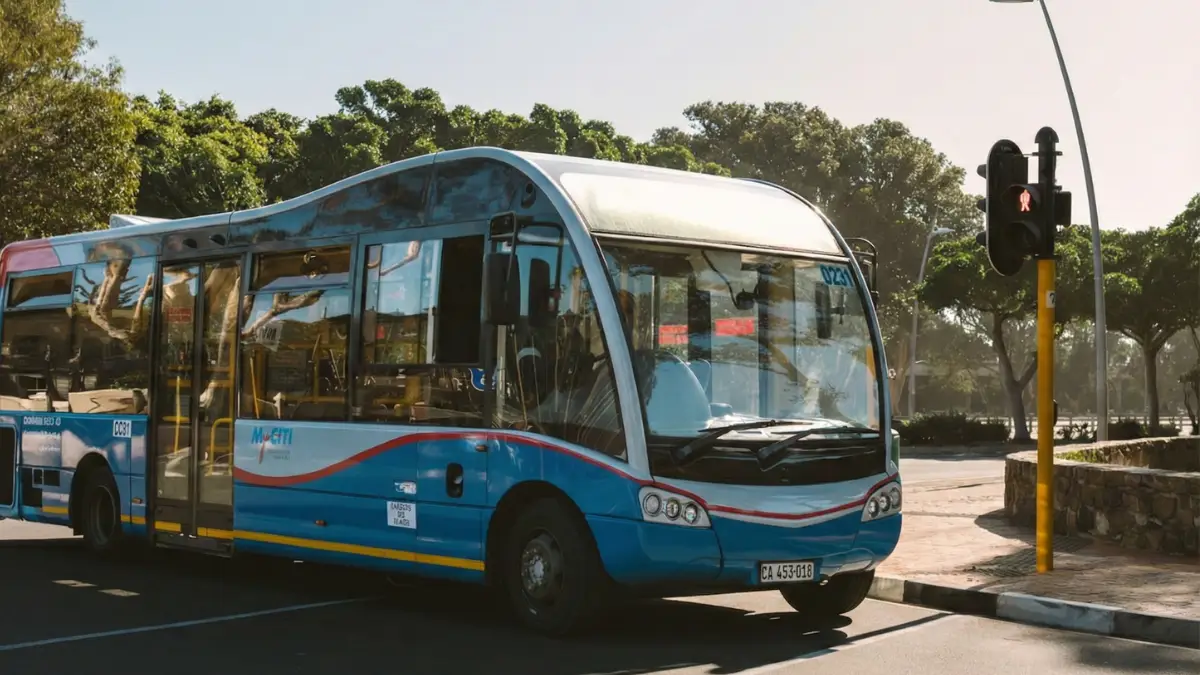
MyCiTi is Cape Town’s version of a bus rapid transit system forming the backbone of the city’s formal public transport network. It runs through the City Bowl, along the Atlantic Seaboard, including Hout Bay, and north toward Table View and the Blouberg coastline, with a direct route to Cape Town International Airport.
Buses use dedicated lanes in busy areas, run on set schedules, and operate on a card-based fare system rather than cash. Stations and stops offer easy boarding and connect with walking and cycling routes.
Routes, timetables, and fares are easy to check online, making planning straightforward. The network does not serve the Southern Suburbs, so trips in that direction require a different transport option.
Other Public Transport Options
Trains and informal minibus taxis are part of daily life in Cape Town, but they take local knowledge and confidence to use comfortably. If you’re not familiar with routes or stations, they can be stressful and unpredictable. We generally guide guests toward transport options that are easier to navigate and more reliable during a short stay.
Renting a Car in Cape Town
Renting a car gives you full control over timing and route choice, which matters once plans extend beyond central areas. Day trips to Franschhoek, Stellenbosch, Cape Point, or quieter coastal stretches are far easier to manage with your own vehicle, particularly if you want to set your own pace or stop along the way.
Car hire in Cape Town is straightforward. Collection at Cape Town International Airport is efficient, vehicles are available across a range of sizes, and driving is on the left. Roads are well-maintained, and signage becomes clearer once you are out of the city centre.
Parking across Cape Town is largely street-based. In high-traffic and popular areas, paid parking applies, and availability can be limited, especially at busy times of day. Informal car guards are common, and it is customary to tip a small amount for keeping an eye on your vehicle. In areas with heavy foot traffic or limited parking, arranging a transfer or joining a guided tour can be simpler than driving yourself.
Driving requires attention. Traffic can be assertive, and congestion is common during peak times. In recent years, increased tourism and people relocating to the Cape have also led to heavier traffic outside these peak times, particularly on main routes and access roads. Planning travel times carefully can make a noticeable difference.
Choosing the Right Transport for Your Stay
How to get around Cape Town depends on where you’re staying, how long you’re in the city, and how far you plan to travel each day.
There is no single transport option that suits every stay. The right choice depends on where you are staying, how long you are in Cape Town, and how far you plan to travel each day.
If you’re staying in Seapoint or Camps Bay, you’ll likely combine walking, ride-hailing, and occasional transfers. If you’re planning Winelands or Peninsula trips, a car or organised transport makes more sense.
At The Oyster Collection, we advise on transport options and offer airport transfers and selected tours, helping you plan realistically without overcommitting your time.
Frequently Asked Questions About Getting Around Cape Town
What Are the Best Transport Options From Cape Town Airport to Seapoint?
Private airport transfers and ride-hailing are the most common options. Travel time can range from 25 minutes outside peak hours to over an hour during heavy traffic. Pre-arranged transfers provide fixed pricing and direct access to accommodation in Seapoint and Camps Bay without delays on arrival.
How Can I Book a Reliable Airport Transfer in Cape Town?
Transfers can be booked directly through accommodation or a trusted local provider. The Oyster Collection can arrange private airport transfers for guests, using experienced drivers who monitor traffic and flight arrival times.
Can You Use Uber in Cape Town?
Yes. Uber operates widely across the City Bowl, Seapoint, Camps Bay, and the V&A Waterfront. Availability is strongest during the day. Coverage becomes less reliable late at night and in outlying areas.
Is Uber Safe for Tourists in Cape Town?
Uber is generally safe when used for direct trips in central areas. Visitors should confirm vehicle details before entering, avoid travelling late at night where possible, and choose standard options such as UberX rather than lower-tier categories.
What Is the Best Way to Get Around Cape Town as a Tourist?
Most visitors use a combination of walking, ride-hailing, and pre-arranged transfers. This works well in central neighbourhoods such as Seapoint and the City Bowl. A rental car is more practical for longer trips to the Winelands or Cape Peninsula.
Can You Get Around Cape Town Without a Car?
Yes, but only within certain areas. Seapoint and the City Bowl support car-free stays with short taxi rides and walkable routes. Travelling beyond these areas without a car requires careful planning or organised transport.
How Much Should I Budget for Daily Taxi Fares in Cape Town?
Costs depend on distance and frequency. Multiple short trips between neighbourhoods add up quickly. If you rely entirely on ride-hailing, expect daily transport costs to increase once several stops and return trips are included.
What Public Transport Can Tourists Use in Cape Town?
The MyCiTi bus system is the most suitable public transport option for visitors. It serves the City Centre, Atlantic Seaboard, V&A Waterfront, and Cape Town International Airport during the day. Trains and informal minibus taxis are not recommended for most tourists.
Should I Rent a Car When Visiting Cape Town?
Renting a car is the most flexible option for guests planning to visit Franschhoek, Stellenbosch, Cape Point, or quieter coastal areas. Many visitors choose to rent a car for part of their stay rather than the full duration.
What Is the Best Mode of Transport in Cape Town Overall?
There is no single best option. Central stays suit walking and ride-hailing. Longer distances and day trips are better handled by car or organised transport. Transport choices should be planned alongside accommodation location and daily activities.