

Is South Africa Safe for Travellers?
Is South Africa safe? It’s a question many travellers ask — and a fair one, given how often headlines focus on risk rather than reality.
South Africa has long been a destination that sparks curiosity. With its mix of untamed wilderness, world-famous wine, and culture as diverse as its landscapes, it’s a place that sits high on many bucket lists but is sometimes just out of reach due to concerns about safety or uncertainty.
Yet the numbers, and the stories of those who’ve visited, tell a different tale.
Millions of tourists choose South Africa each year. In the first quarter of 2025 alone, more than 2 million tourists arrived in the country, including over 100,000 from North America and nearly 500,000 from Europe.
They come for safari adventures, mountain hikes, coastal road trips, and cultural immersion. And they leave with memories of warm hospitality, awe-inspiring beauty, and a sense that they’ve just scratched the surface of what this country offers.
The Global Magnetism of South Africa
South Africa is a melting pot of cultures, landscapes, and stories, from the Big Five roaming Kruger National Park, to the powerful legacy of Robben Island, to the vine-covered slopes of the Cape Winelands.
It’s a country where ancient traditions are complemented by modern design, multiple languages are spoken in a single market, and every region offers something visually and emotionally distinct.
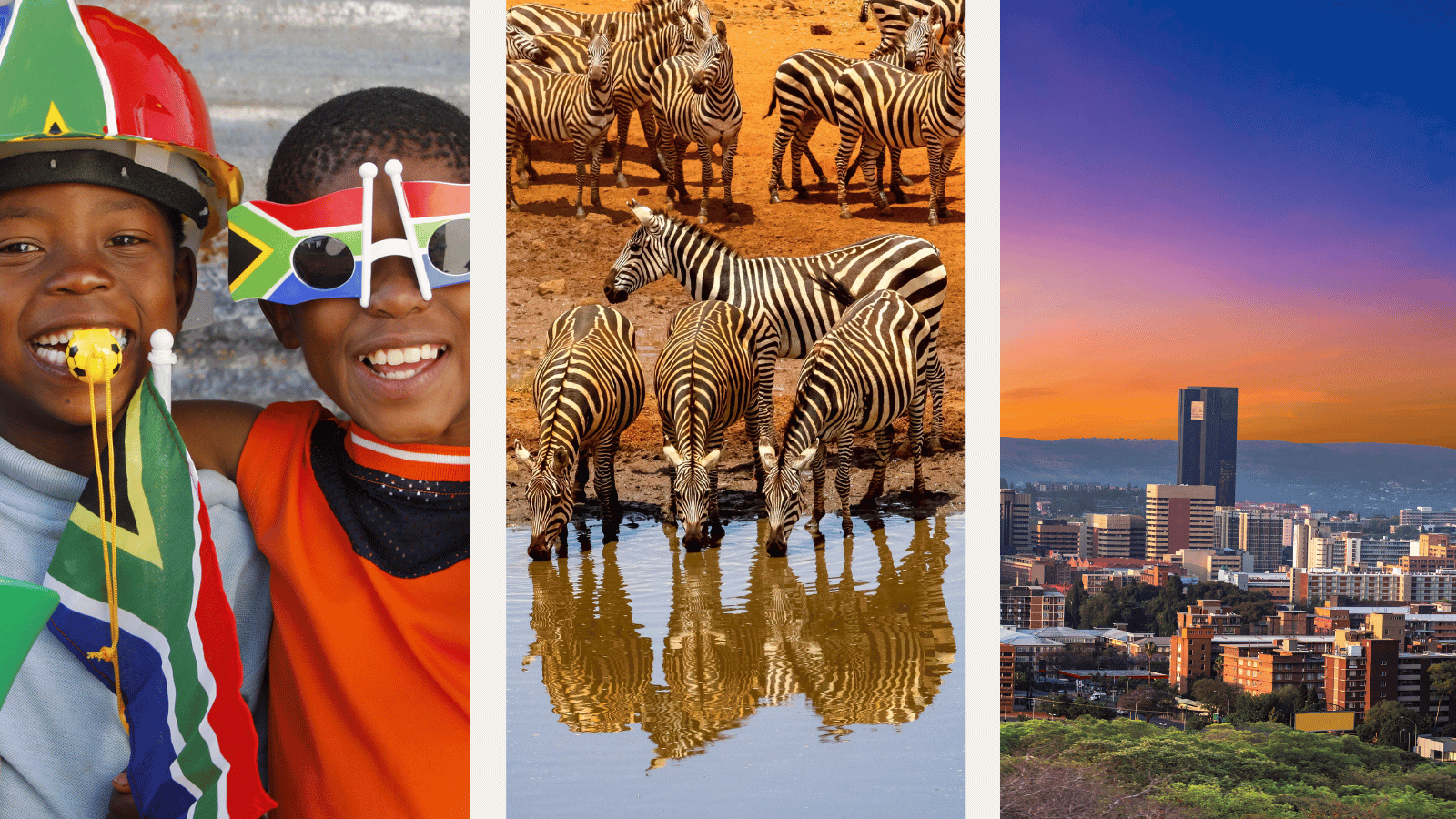
Why tourists love it!
- Natural landmarks and scenic regions: From the towering presence of Table Mountain in Cape Town to the vast cliffs of Blyde River Canyon, the country is home to some of the most recognisable and dramatic landscapes worldwide. The Garden Route provides a coastal stretch of forest, beach, and mountain. At the same time, the Drakensberg Mountains offer remote hiking trails and panoramic views.
- A cultural landscape unlike any other: With 11 official languages and a deep history shaped by migration, struggle, and creativity, South Africa’s identity is complex and compelling. Explore townships that tell the story of resilience and community, and visit museums and heritage sites that provide context to the country’s political and social history, from apartheid to democracy.

- Wildlife safaris: South Africa is one of the world’s top safari destinations, offering a chance to see the Big Five in national parks and private reserves. Seasonal whale watching along the coast adds another dimension to the country’s wildlife.
- Thrilling adventure: Bungee jump from the Bloukrans Bridge, abseil down Table Mountain, or paraglide above Cape Town’s coastline. Shark cage diving in Gansbaai and white-water rafting on the Sabie River are popular choices for water-based thrills. Quad biking through the Atlantis Dunes and sandboarding in Mossel Bay round out a long list of outdoor activities across the country.

- Food and wine: The culinary scene is diverse and highly regarded, offering everything from street food favourites like braais and bunny chow to fine dining in city restaurants and wine estates. The Cape Winelands are internationally recognised for their wine production, hospitality, and scenic appeal.
- Welcoming locals: Across regions and backgrounds, visitors often describe South Africans as some of the friendliest people they’ve met. Generosity, humour, and a strong sense of community are part of what makes travelling here memorable.
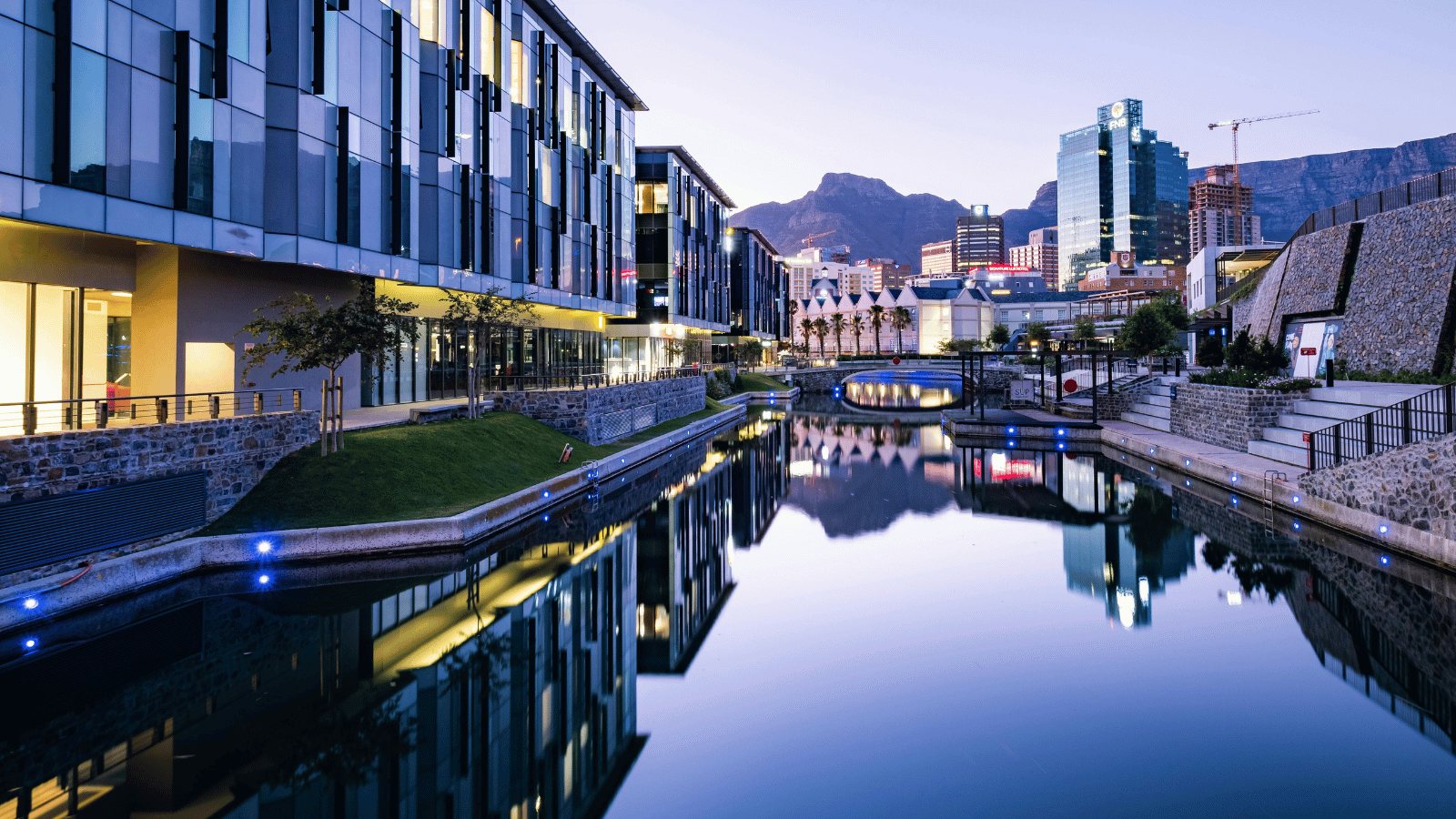
But is South Africa Safe?
South Africa’s reputation for crime can feel daunting at first glance, yet the on‑the‑ground reality is far less dramatic than many headlines suggest. The U.S. State Department rates the country at Level 2 – “exercise increased caution.”
That is the same advisory applied to popular destinations such as France or the Dominican Republic. The advisory notes that violent incidents do occur, carjacking, armed robbery, and the occasional “smash‑and‑grab,” but these are concentrated in neighbourhoods that visitors rarely enter.
Why most tourists feel secure
- Tourist hubs are well patrolled. Areas like the V&A Waterfront, Camps Bay, the Garden Route, and the country’s private game reserves maintain visible security and professional visitor services.
- Incidents are typically opportunistic. Pickpocketing and bag‑snatching are the main threats; violent crime overwhelmingly involves residents who know one another.
- Local awareness helps. South Africans grow up practising situational awareness. When travellers follow the same habits — keeping valuables out of sight, taking licensed transport at night, hiking in groups — problems are rare.
- Risk levels mirror many large cities. Cape Town’s homicide rate is comparable to Baltimore or St Louis. Yet millions of tourists enjoy those U.S. cities every year without incident.
Tourism infrastructure: South Africa is well-equipped to handle international tourism with quality accommodation, reliable domestic travel options, and experienced guides and operators.

Practical guidance
- Leave jewellery and high‑end cameras in the hotel safe when you’re not using them.
- Keep phones and wallets out of view in restaurants and cars; lock bags in the boot if you’re driving.
- Use guides for township visits and hiking routes you don’t know well.
- In bars and clubs, watch your drink the same way you would at home.
- After dark, rely on registered taxis, rideshare apps, or hotel shuttles instead of walking unfamiliar streets.
Solo and female travellers report positive experiences when they apply these basics. The same holds for families on safari; game reserves and national parks are professionally managed and far removed from urban crime hotspots.
In short, the risks are comparable to any major destination, and millions of visitors each year explore South Africa without incident. A little preparation goes a long way — and once you’re here, you’ll find that locals are eager to help you enjoy their country safely and confidently.
Why the World Is Investing in South Africa — Especially Cape Town
Confidence in South Africa isn’t just showing up in travel bookings. It’s also showing in the property market. International buyers are making bold moves, especially in Cape Town, where foreign investment is helping to drive some of the city’s highest sales figures on record.
According to the Seeff Property Group, nearly R2.5 billion in transactions were recorded in the first five months of the year, the highest total over that period in five years.
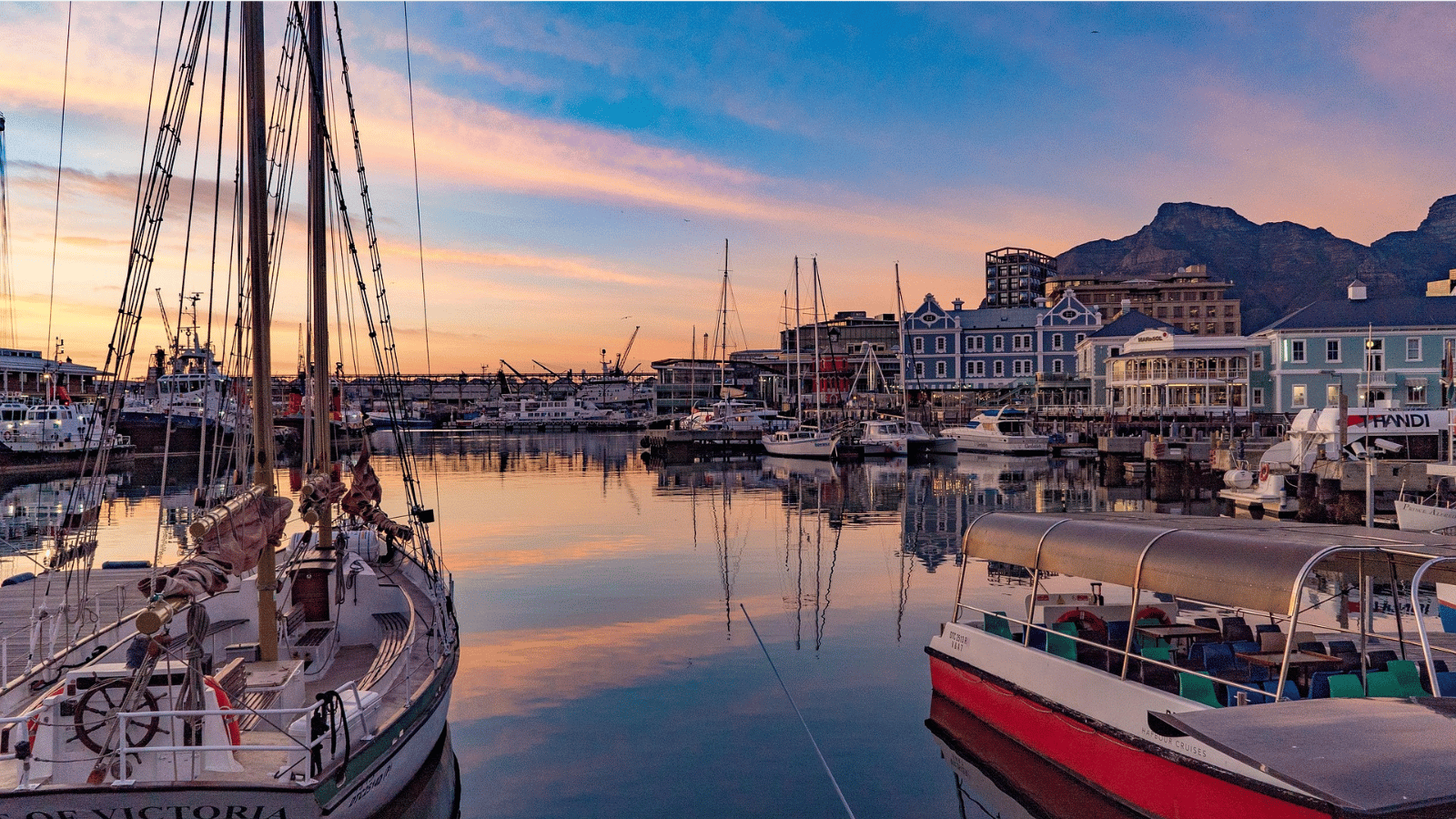
April was especially active, with international buyers spending R700 million in a single month, following R600 million in February. The Atlantic Seaboard and City Bowl were the clear front-runners, making up 67% of all sales, with Sea Point and the CBD leading in the number of deals.
Buyers from over 40 countries are behind this surge. The majority are from Germany, the UK, and the United States, with growing interest from the Netherlands and Switzerland. American buyers show a strong preference for Sea Point, Mouille Point, and the City Bowl.
Interest is also spreading beyond the central suburbs. Hout Bay has already reached R600 million in sales this year, following a R1.3 billion total in 2024.
High demand, limited stock, and sustained interest show that people aren’t just visiting — they’re putting down roots. And they’re choosing Cape Town.
Why Cape Town Stands Out
Cape Town isn’t just South Africa’s most visited city. According to Time Out, it’s officially the Best City in the World for 2025. Beating global favourites like New York, Melbourne, and Bangkok, the city was praised for its natural beauty, vibrant food scene, and the happiness of its residents.
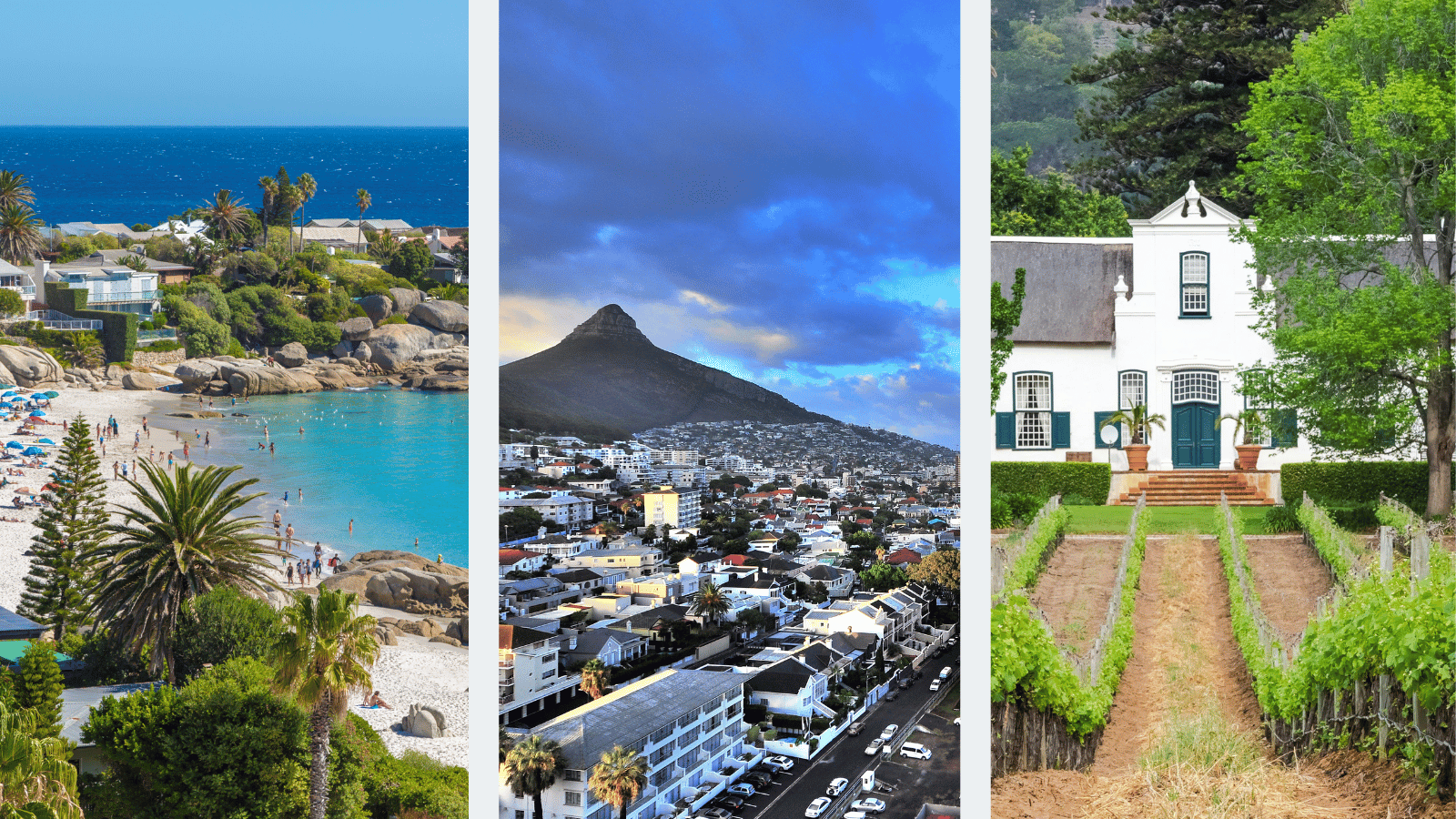
Cape Town captures international attention and the hearts of travellers worldwide, and here’s why:
- Natural beauty in every direction: Cape Town’s scenery is hard to beat. Within a short drive, you can go from watching the waves at Clifton Beach to hiking a mountain trail or enjoying a quiet afternoon among the vines in the Winelands. The city is framed by the Atlantic Ocean and the iconic Table Mountain, with greenbelts and botanical gardens adding to the landscape.
- Tourism zones that deliver on experience: The V&A Waterfront, the Atlantic Seaboard, Constantia, and Cape Point are popular with visitors for the range of restaurants, activities, galleries, and local shops.
- Walkable, vibrant neighbourhoods: In places like Sea Point, De Waterkant, and the City Bowl, you’ll find inviting streetscapes with coffee shops, delis, galleries, and sea views. The Sea Point Promenade is a favourite for locals and visitors, offering a safe, open space for running, strolling, or experiencing breathtaking sunsets.
- Unique experiences, every day: Take the cable car to Table Mountain for panoramic views of the peninsula. Visit the penguin colony at Boulders Beach. Head out for a day of wine tasting in Franschhoek or Stellenbosch, or book a sunset cruise from the Waterfront.
- Rich cultural layers: Cape Town’s story is layered and complex, and it’s told through its neighbourhoods. Wander through the brightly coloured homes of Bo-Kaap, visit the District Six Museum, explore the creative hubs of Woodstock, or join a guided township tour that offers insight into community life.
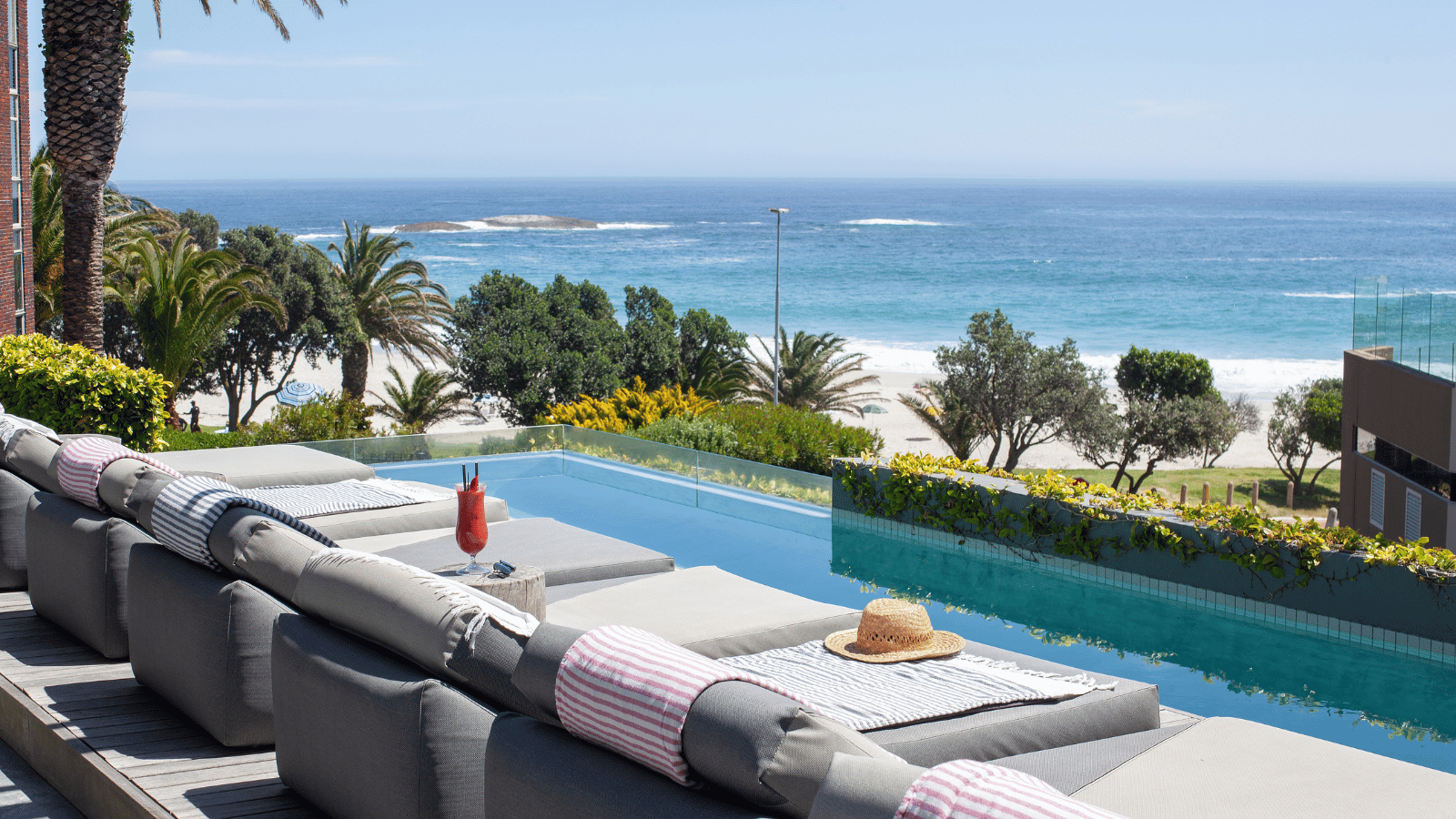
Make South Africa Your Next Destination
As a hospitality provider operating across two provinces in South Africa, The Oyster Collection has the privilege of welcoming guests from around the world, many experiencing the country for the first time.
Whether they’re staying in one of our boutique hotels, luxury villas, guesthouses, or safari lodge, the response is often the same: initial curiosity quickly gives way to awe. Guests leave with a deeper appreciation for South Africa, and many plan their return before they’ve left.
If you’ve been hesitating to visit South Africa, let this be your sign. With smart travel habits, an open mind, and a spirit of adventure, you’ll discover a country that’s far more than the sum of its headlines.
South Africa is a country defined by its diversity in landscape, language, and lived experience. It stays with people because it offers so many ways to connect with its stories, its people, and its sense of place.